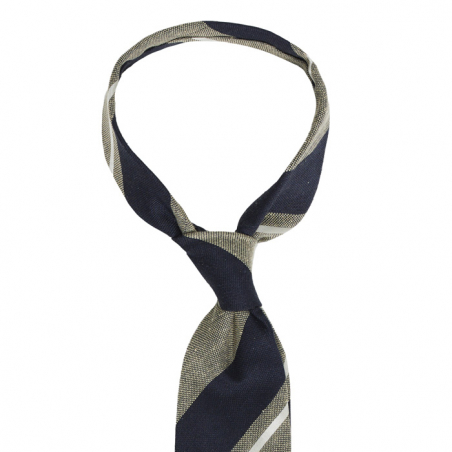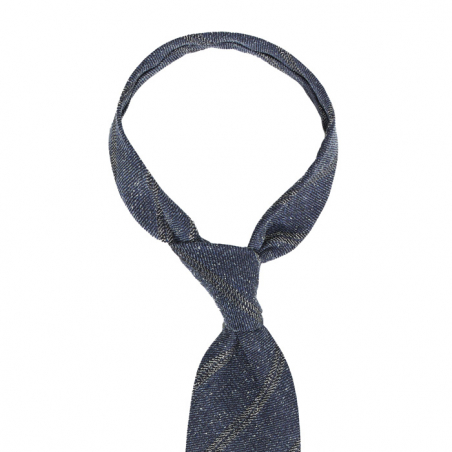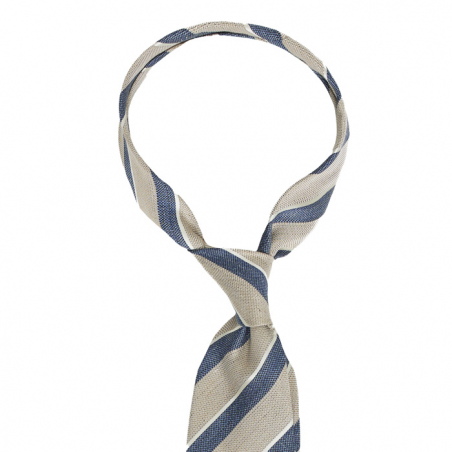

The tie is undoubtedly one of the most important and essential elements of a man’s wardrobe in the world of classic elegance. Choosing the right tie for a given outfit clearly reflects the wearer’s level of sartorial knowledge and also helps to avoid committing a faux pas. In today’s guide, we will tell you about the history and construction of the tie, present the key rules for selecting one, and show you how to tie a tie properly.
From this article, you will find out:
- 1. When did the first ties appear?
- 2. How to match the tie fabric to the occasion?
- 3. Does the shape of the tie matter?
- 4. Step-by-step guide: How to tie a tie?
- 5. Where should a tie reach?
- 6. Which color to choose?
- 7. What to keep in mind when selecting a tie?
- 8. Does a tie always have to be formal?
.jpg)
.jpg)
.jpg)
.jpg)
A pinch of history
The first ties were worn by Croatians as early as the 17th century. When Croatian mercenaries brought them to Western Europe, it marked the beginning of a long and gradual evolution into the tie’s modern form. Ties resembling today’s accessory appeared at the start of the 20th century. At that time, they were noticeably shorter than modern versions, since pants were worn at the waist rather than the hips (just below the ribcage), making it easy for a short tie to reach the waistband. Ties in that era were also significantly wider, often measuring 13–14 cm in width, which could even evoke the image of a bib. In the 1950s, Esquire magazine popularized a new image of the modern man who wore noticeably narrower ties (alongside slimmer jacket lapels and narrower hat brims). During this period, ties also grew longer, with widths ranging between 3–8 cm. Since then, we’ve seen alternating trends of ties becoming wider and slimmer roughly every decade. A few years ago, the ultra-skinny tie craze was in full swing, while today men’s ties typically measure between 7–9 cm in width.
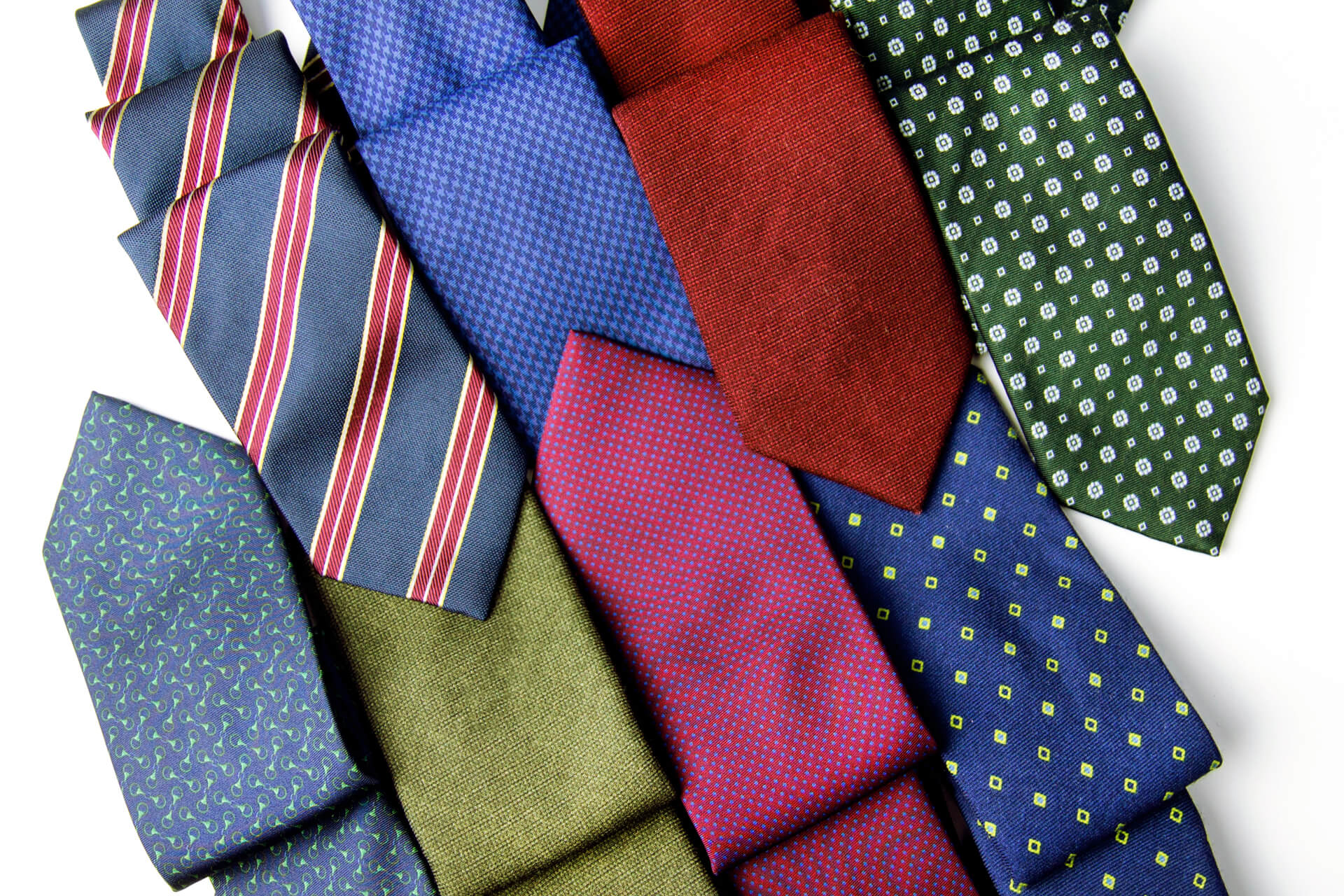
What are ties made of?
Every true gentleman will say that a tie must be made of silk. And that is, in essence, true. The vast majority of ties available on the market are silk ties—or ones that attempt to imitate silk. They are offered in countless colors and textures, which makes silk ties suitable for most occasions where appearing with an uncovered neck would be inappropriate.
A selection of silk ties:
A chic solid purple tie, made from 100% silk. Elegant and distinctive, it’s a perfect accessory for a wide range of outfits — from formal ensembles to more casual looks. A chic solid black tie, made from 100% silk. Elegant and distinctive, it’s a perfect accessory for a wide range of outfits — from formal ensembles to more casual looks. A chic burgundy tie with navy polka dots, made from 100% silk. Elegant and distinctive, it’s a perfect accessory for a wide range of outfits — from formal attire to more casual looks.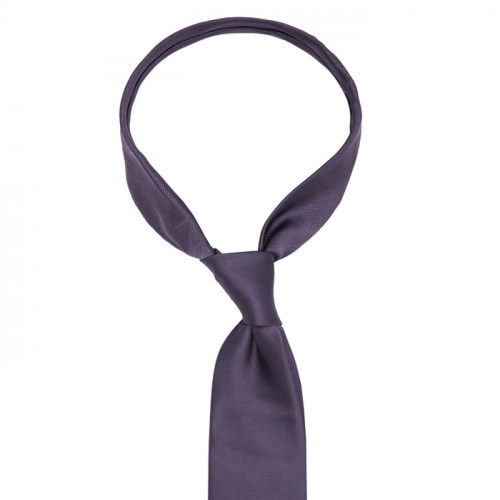
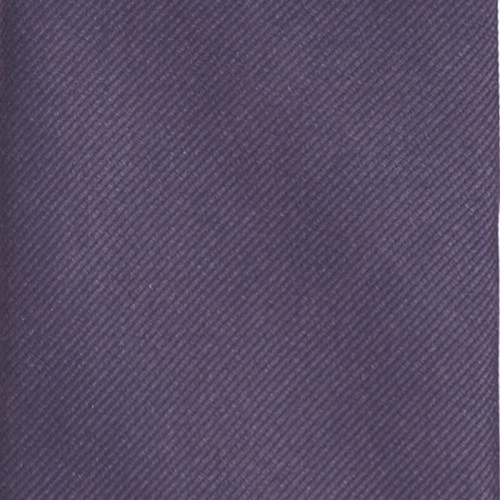
Purple solid silk tie
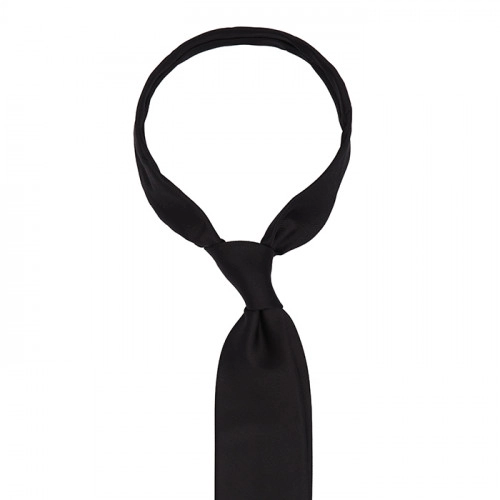
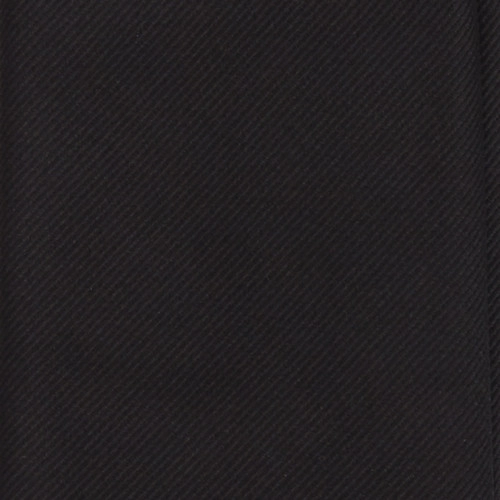
Black solid silk tie
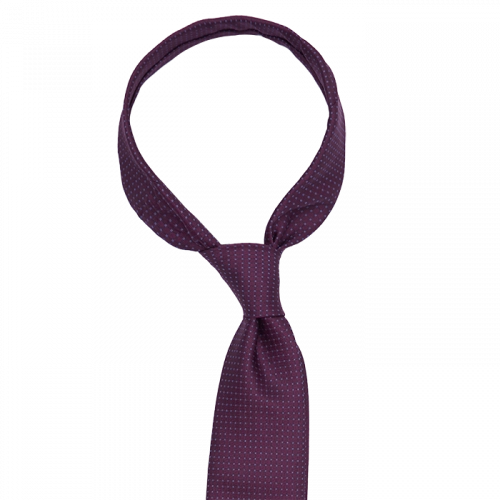
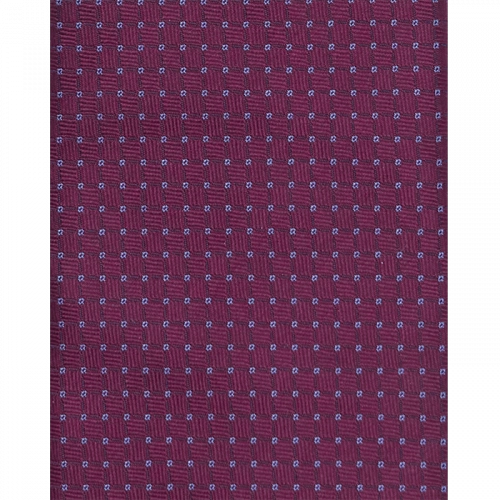
Burgundy tie with navy polka dots
It is, however, hard not to notice that shiny silk rarely works well in casual outfits. If we want to wear a tie in a more relaxed, informal way, we should consider buying wool ties, which have a completely different texture than silk ties, or knitted ties (known as knits). These can also be made of silk, but thanks to their weave, they are the most informal of all tie types. They are worth considering when you want to immerse yourself in the world of sporty elegance.
The construction of a tie
Although a tie may seem to some like just a simple piece of fabric, its construction is very important and, contrary to appearances, quite complex. Few people truly delve into its many details! For experienced tie enthusiasts, just one touch is enough to know how a knot will form on a given tie. Inside the tie, there is a canvas interlining (at least in most ties), the thickness and resilience of which determine the shape of the knot. Ties without proper filling produce either very small knots or knots that are difficult to form. This is something to watch out for, since the shape of the knot is one of the most important factors influencing the attractiveness of a tie. That is precisely why buying cheap, low-quality ties makes no sense at all. Both ends of a tie are “finished” with what is known as tipping. In cheaper ties, it is made of viscose, while in higher-quality ties, it is cut from the same fabric as the tie itself. A good tie should also include a sewn-in keeper loop (not the brand tag, which is best removed right after purchase). The keeper loop is stitched into the tie and serves to hold the other end in place. Below are examples of ties finished with tipping:
.jpg)
.jpg)
.jpg)
.jpg)
How to tie a tie?
It is a sad fact that in Poland the most commonly worn knot is the symmetrical Double Windsor. This comes with many stylistic problems. Above all, it does not look good with many types of collars. A bigger issue, however, is that tying a double knot “uses up” so much of the tie that many men are left unable to achieve the proper length—or, perhaps even worse, they end up wearing knots under their chin the size of a tennis ball. There are dozens of knots that can be chosen depending on the shape of the face, the collar style, as well as the type and thickness of the tie. The best way to practice tying is by starting with the simplest one, called the Four-in-Hand.
The Four-in-Hand is without doubt the most versatile and one of the most elegant knots. It is worth remembering that tying a beautiful knot is a kind of art and requires considerable practice. Learning to tie even such a simple knot in just one evening in front of a computer screen is simply not possible.
A well-tied tie should be characterized by several elements:
- Always tightened – it should never reveal the top button of the shirt
- Properly cinched – in such a way that it creates a beautiful waist (taper) that gives the tie a sense of dynamism
- With a dimple (when the fabric allows) – the small “tear-shaped” crease beneath the knot, which adds refinement and elegance to the tie
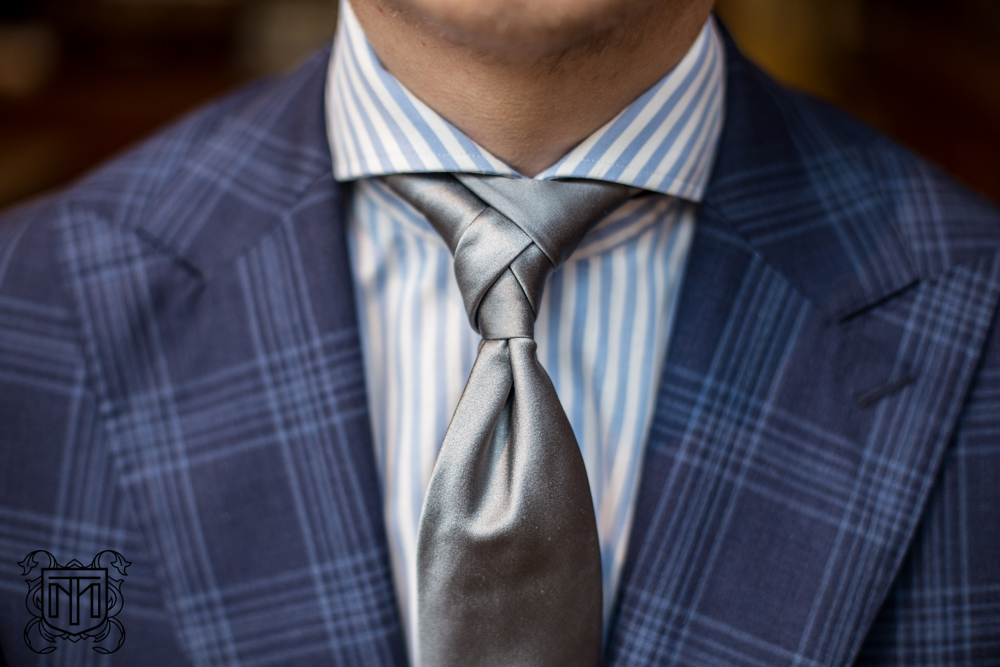
There are many “knotting theorists” who can wax lyrical about the superiority of their favorite knot over the one you happen to be wearing today. However, it is worth remembering that complication (i.e., every additional wrap of the tie within the knot) takes you further away from elegance rather than closer to it. The architecture of the knot should depend on the relationship between the properties of the tie and the volume of the knot itself. One should keep in mind that “delicacies” like the one shown in the photo below, though tempting to beginners in the art of elegance, have very little in common with true refinement.
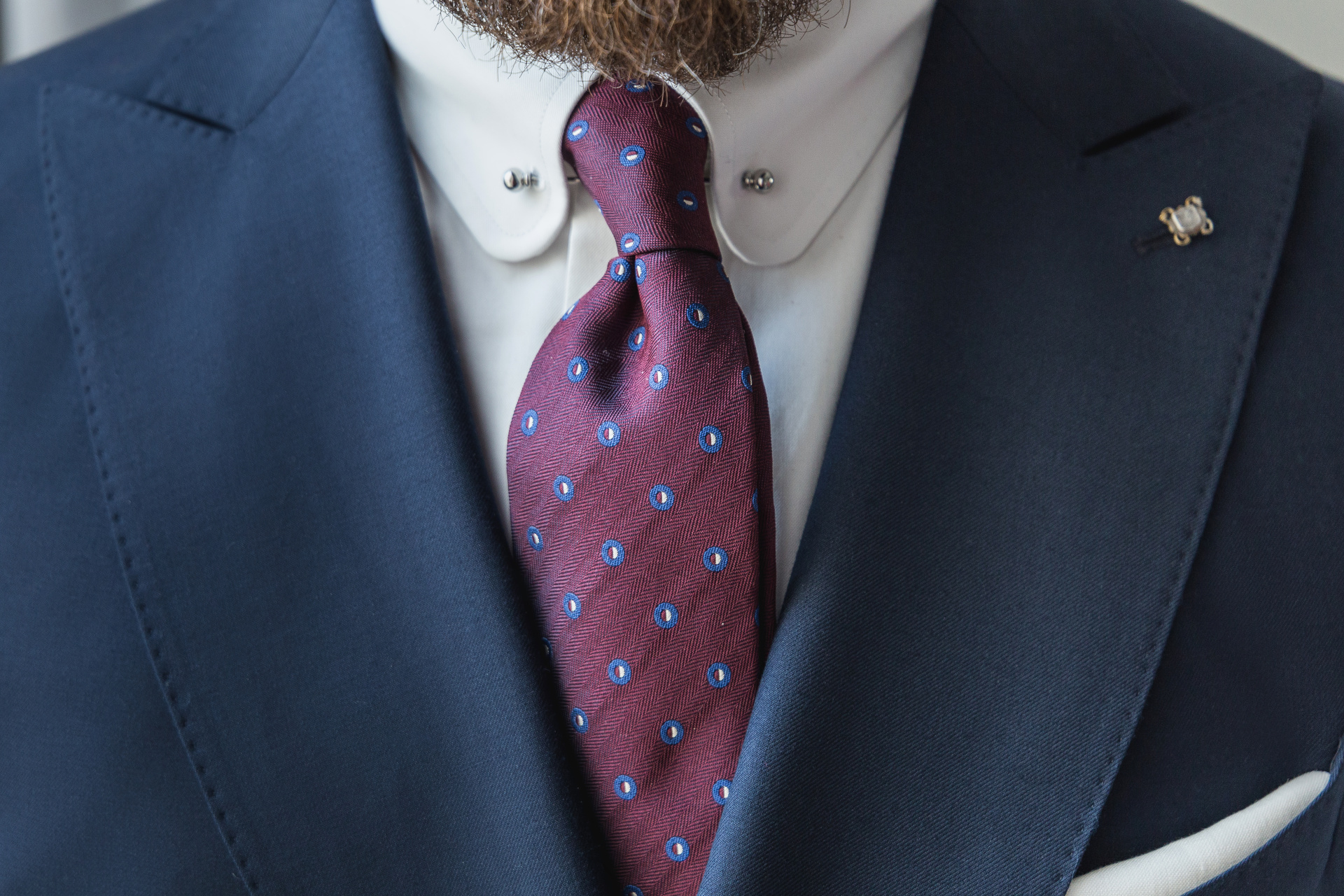
And when wearing a tie in the textbook manner starts to feel a little boring, you can consider other stylistic touches such as using a tie pin, pulling the back blade of the tie out from behind the front, or tying the knot so that the front blade is shorter than the back. There are countless possibilities, and if we choose among them consciously, the only real limit should be our imagination. The rules of classic elegance are not set in stone—they are meant only to guide one’s development. History is made exclusively by men who know how to break them.
What length and width?
Everyone knows that a tie should reach the middle of the belt buckle on the pants. The width of the tie should correspond to the width of the jacket lapels, which in turn should be proportionate to the width of the shoulders.
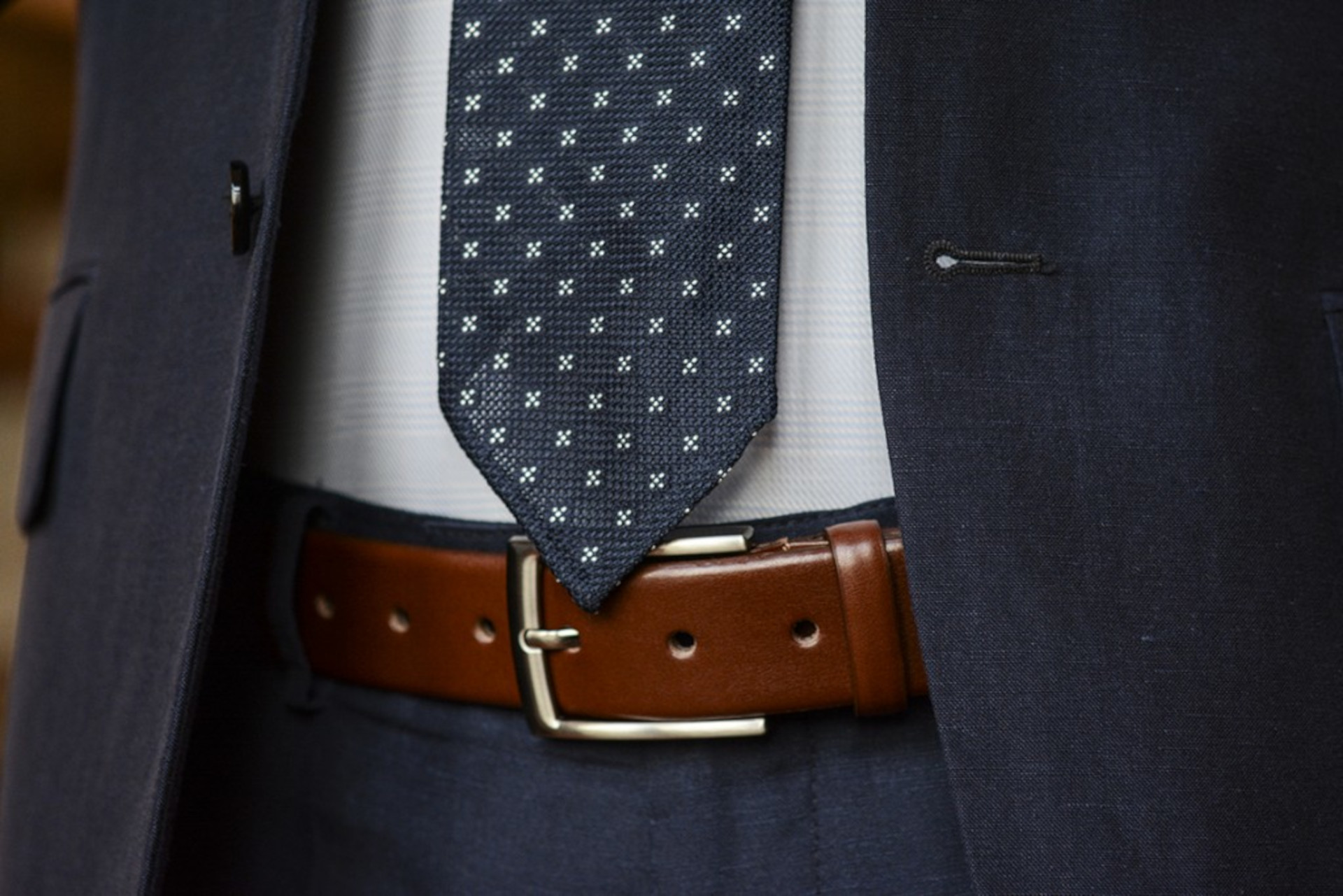
Color
It should be emphasized that the color and pattern of a tie are strongly influenced by the formality of the occasion for which it is worn. Unfortunately, many men fail to realize that a tie which looks stunning on the shelf may not look nearly as spectacular once around their neck. Much depends on the contrast of the wearer’s face as well as the color of the shirt and the suit.
.jpg)
.jpg)
.jpg)
Tip: It’s hard to make a glaring mistake if you stick to muted shades of red, burgundy, purple, navy, and gray.
Pattern
Of course, it is also recommended to choose ties with patterns, but it’s worth remembering that without experience it’s better not to use patterns on more than one element of the outfit.
.jpg)
.jpg)
.jpg)
.jpg)
A tie should be matched to the shape of the shirt collar. Ideally, the collar itself should be chosen to suit the shape of the face. Contrary to what one might think, finding the right size and shape of collar combined with the color of a shirt straight off the rack is not so easy. A much better solution is to order a made-to-measure shirt, which is more expensive but guarantees an excellent appearance. If someone has a long neck, they should look for a collar with a high stand; if they have an elongated face, a spread collar is a better choice, and so on. It is also worth mentioning ties with diagonal stripes. In the United Kingdom, regimental ties feature stripes running from the left shoulder downward to the right. The colors of these stripes often—but not always—signal affiliation with particular universities, clubs, or organizations.
A selection of striped ties:
Szykowny brązowy jedwabny krawat w grube granatowe pasy. Elegancki, oryginalny, będzie wspaniałym dodatkiem do wielu stylizacji - zarówno formalnych, jak i tych bardziej codziennych. Wzór pasków prezentowanych na zdjęciu może delikatnie różnić się od rzeczywistego. Szykowny granatowy jedwabny krawat w szare paski. Elegancki, oryginalny, będzie wspaniałym dodatkiem do wielu stylizacji - zarówno formalnych, jak i tych bardziej codziennych. Szykowny lniano-jedwabny krawat w beżowo-niebieskie pasy. Elegancki, oryginalny, będzie wspaniałym dodatkiem do wielu stylizacji - zarówno formalnych, jak i tych bardziej codziennych. Wzór pasków prezentowanych na zdjęciu może delikatnie różnić się od rzeczywistego.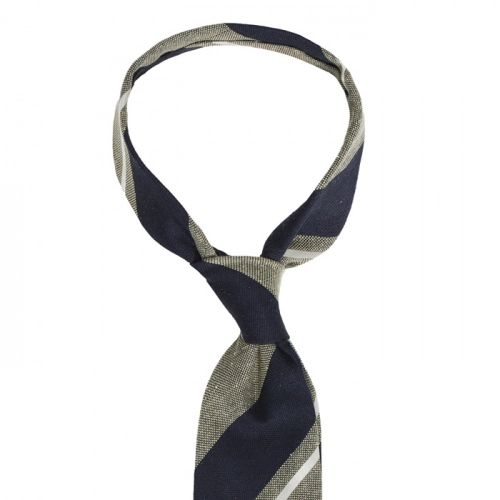
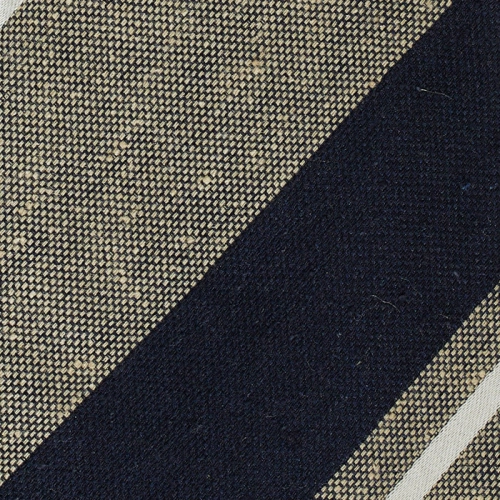
Brown silk tie with wide navy stripes
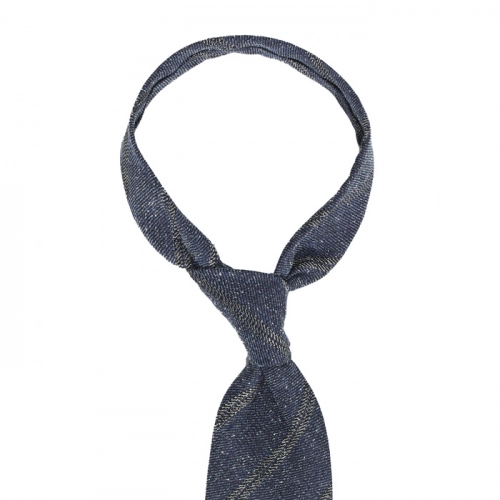
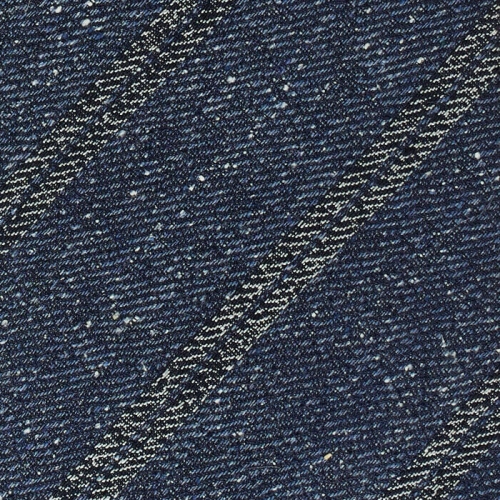
Navy silk tie with grey stripes
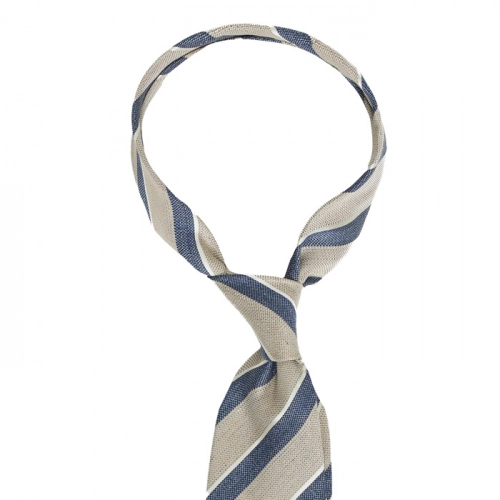
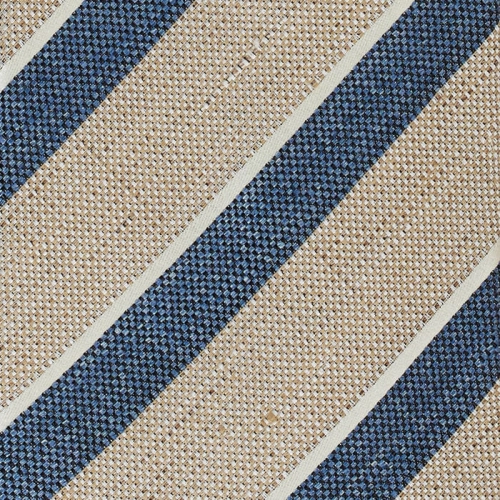
Linen-silk tie with beige and blue stripes
Level of formality
Although many men look at the tie with reluctance because of its formality, it’s worth remembering that nowadays a tie does not necessarily have to mean being formal. With just a bit of creativity, you can show that a tie can be only slightly more formal than a t-shirt. The different levels of tie formality are explained in detail in the video below:
.jpg)
.jpg)
.jpg)
.jpg)
.jpg)
.jpg)
.jpg)
.jpg)
.jpg)
.jpg)
.jpg)
.jpg)
.jpg)
.jpg)
.jpg)
.jpg)
Comments (2)
-
Panie Tomku dużo cennych informacji. "Łezka" towarzyszy mi już od czasu zapoznania się z artykułem:) pozdro
-
Uwielbiam Pana słuchać i od dziś (aż wstyd się przyznać) przestane "prostować" Four in hand. Dzięki