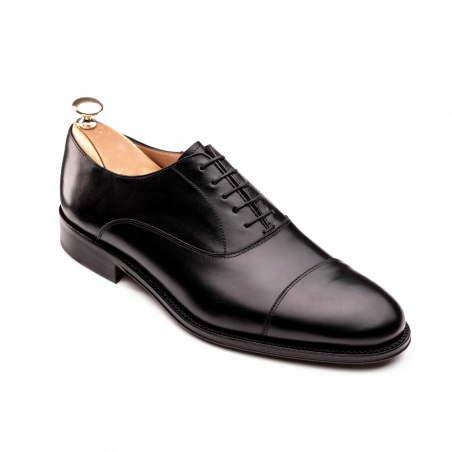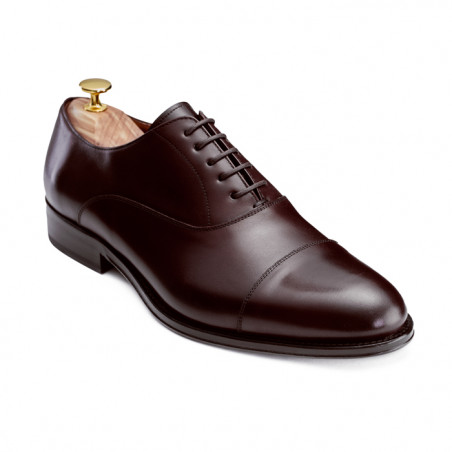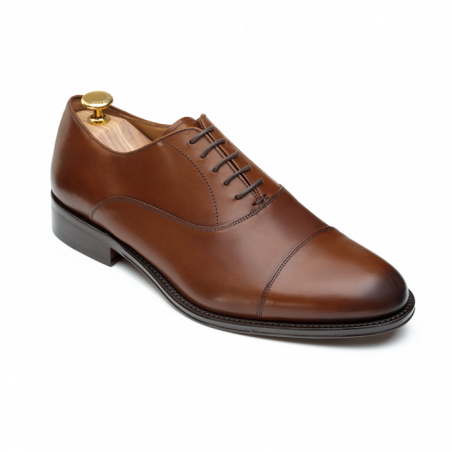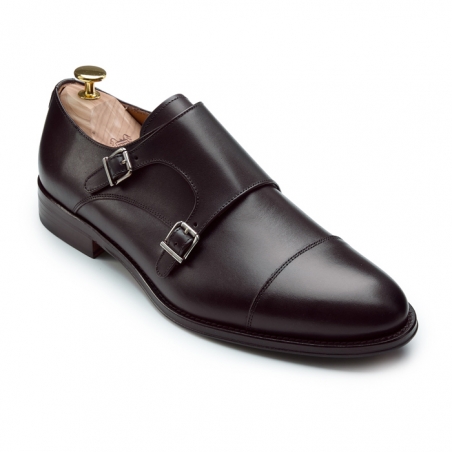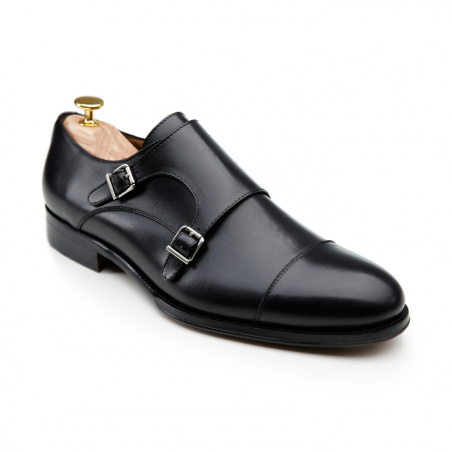

Slip-on shoes that don’t require laces — such as the very stylish monk shoes or loafers — are a hallmark of classic men’s elegance. These shoes pair perfectly with sophisticated, timeless casual outfits. When matched with a boho wedding suit, brown monk shoes create an exceptional combination.
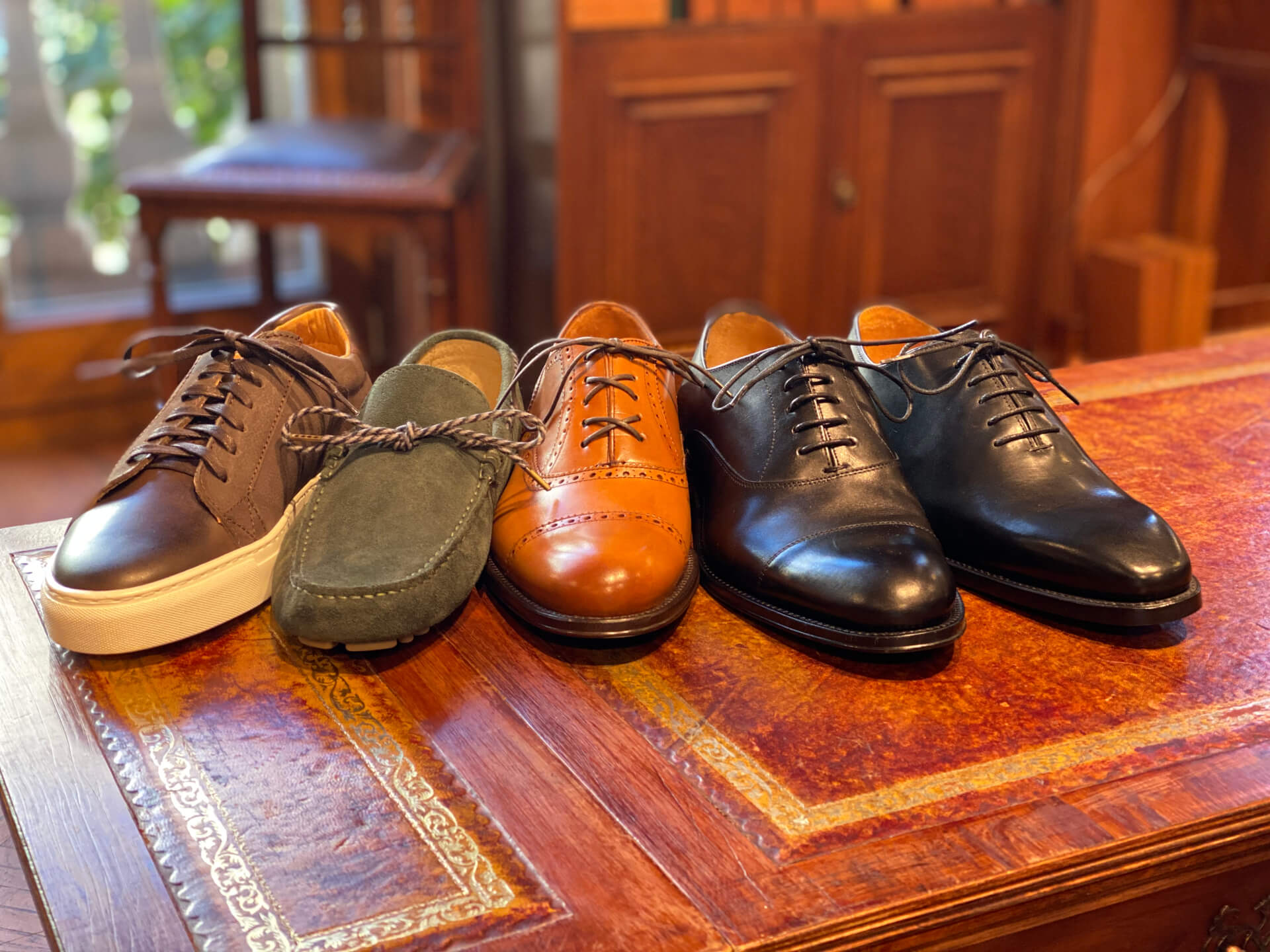
In situations that call for a higher degree of formality, men’s shoes must be lace-up. In today’s post, we’d like to discuss shoe lacing, the topic of shoelaces, and the different knots suited to various types of shoes. We know that writing about tying knots can’t compare to actually showing how it’s done, which is why at the end of the article you’ll find a video tutorial demonstrating the lacing methods described below. All of this is to make tying your shoes — and answering the question “how to tie shoes?” — as simple as can be!
Shoelaces – function and history
The function of shoelaces is quite obvious. Once untied, they allow the quarters — the parts of the shoe where the laces are threaded — to loosen. This widens the shoe opening, making it easy and quick to slip the foot inside. The laces can then be tied again to secure the shoe firmly on the foot, ensuring it can be worn without any worries.
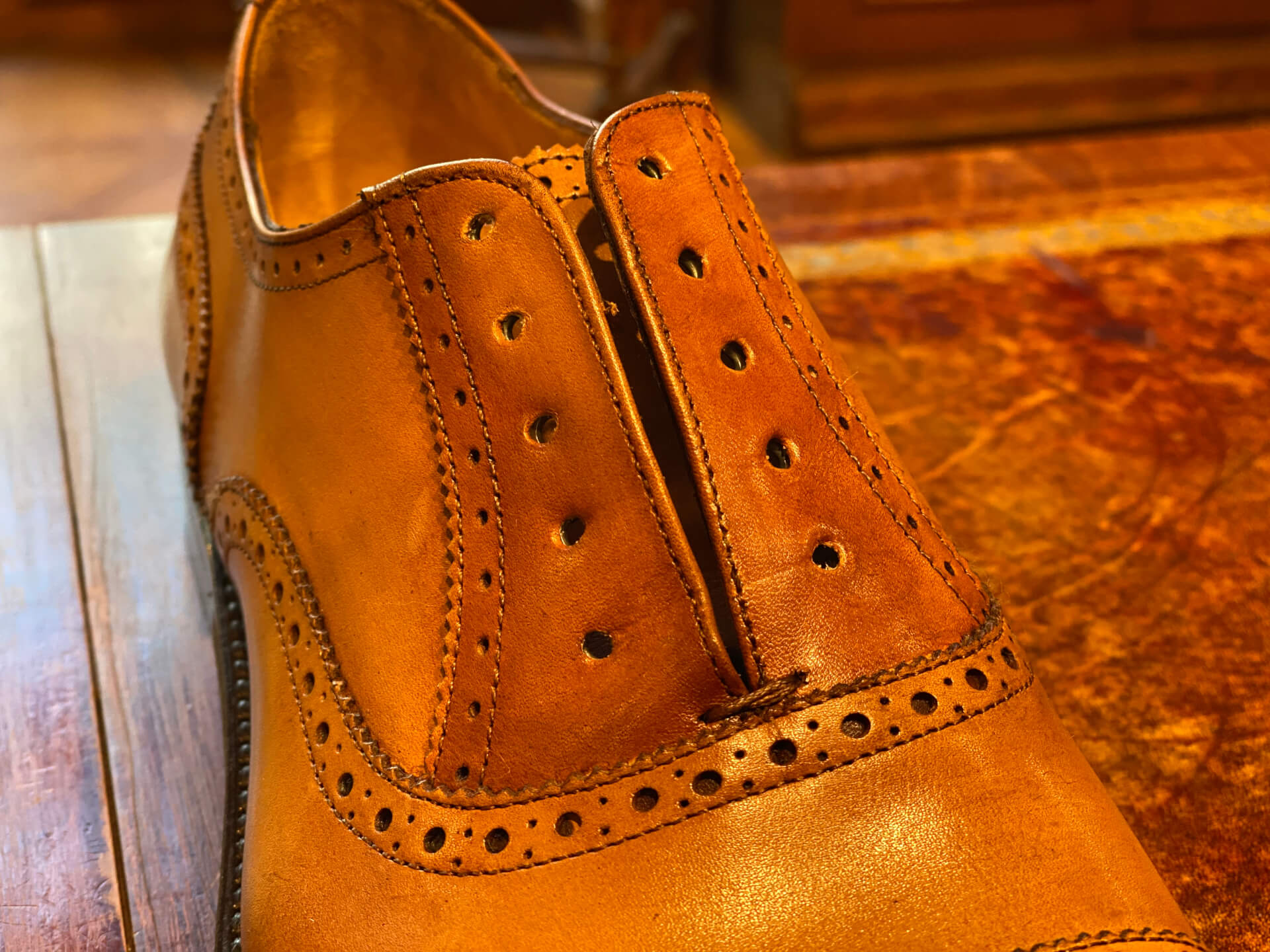
Originally, shoelaces were made from leather, jute, or cotton. Natural fibers are characterized by their roughness, which creates high friction within the knot and prevents the laces from untying on their own. Unfortunately, they are not resistant to wear and fraying. As a result, smoother synthetic fibers have replaced natural ones — all thanks to their durability. At the end of each shoelace is a small cap called an aglet. The name comes from the French aguilette or the Latin acus, meaning “needle.”
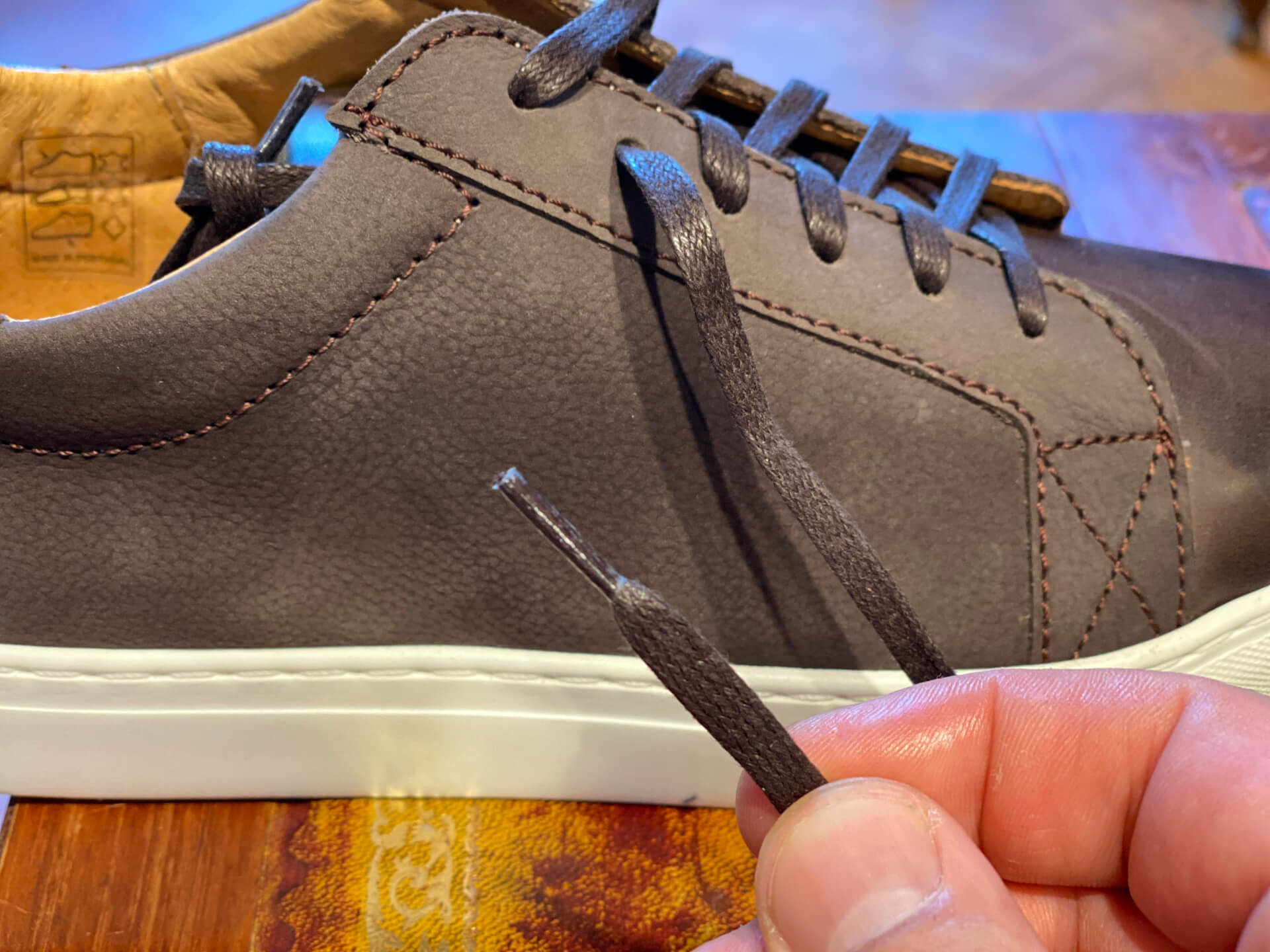
The function of the aglet is to prevent the ends of the shoelaces from fraying. In addition, it allows the laces to be easily threaded through the eyelets in the quarters. The way shoelaces are laced through the quarters plays a key role in determining the level of formality.
Types of shoelaces
Proper shoe lacing is one thing, but the durability of a knot also largely depends on the structure of the shoelace itself. The most reliable knots are formed with laces that have a soft core. This core compresses within the knot, making the lace thinner inside the knot than outside of it. As a result, the knot is much less likely to come undone on its own.
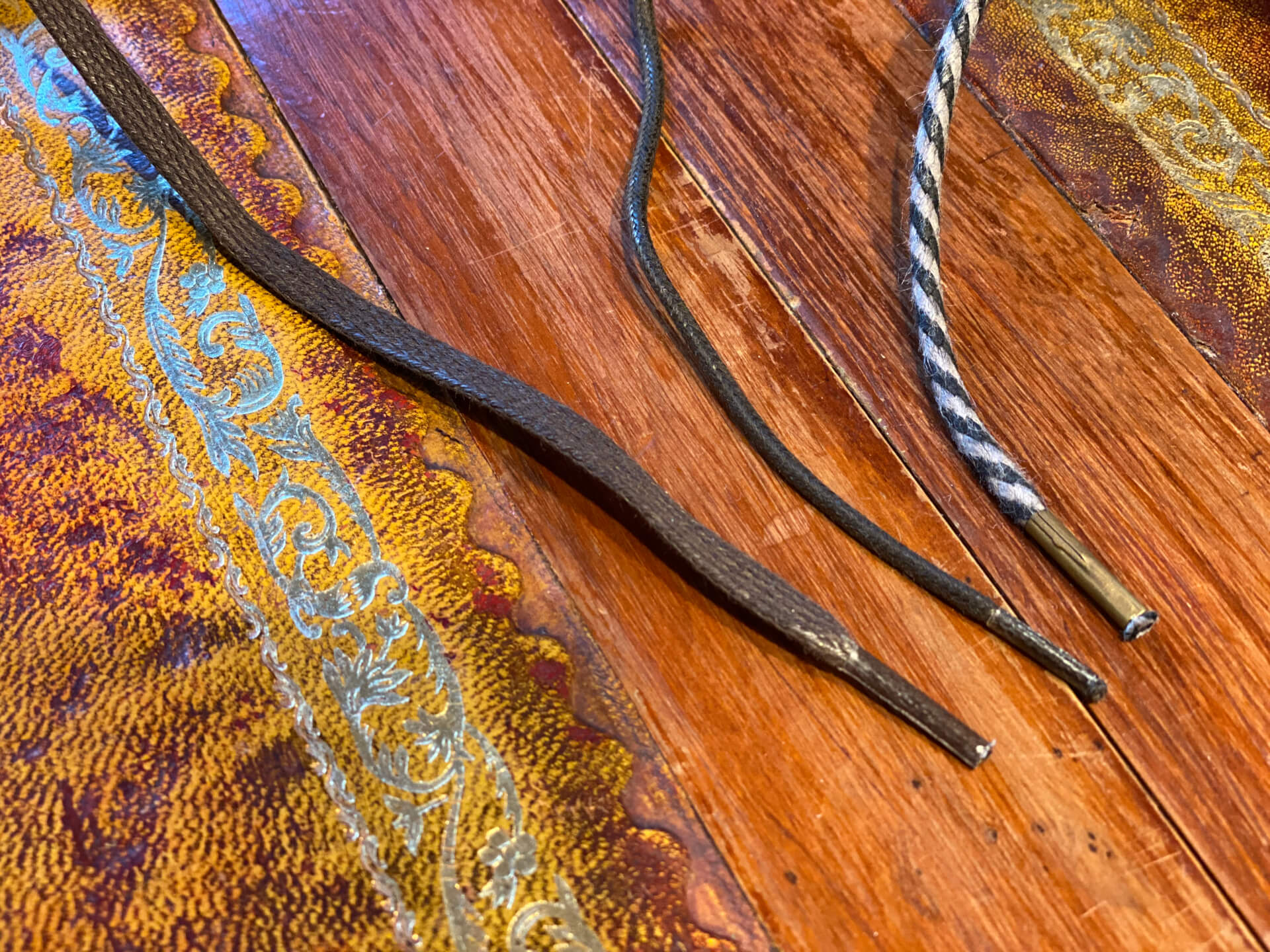
The best-performing shoelaces are flat ones, as they are easy to tighten. Almost as effective are round laces, which are most often waxed to increase friction within the knot. When it comes to tying shoes, the biggest challenge is keeping knots under control in boat shoes. Their laces, usually leather straps with a square cross-section, are very difficult to compress within a knot, which makes these shoes prone to untying easily.
Straight Bar and Criss-Cross lacing
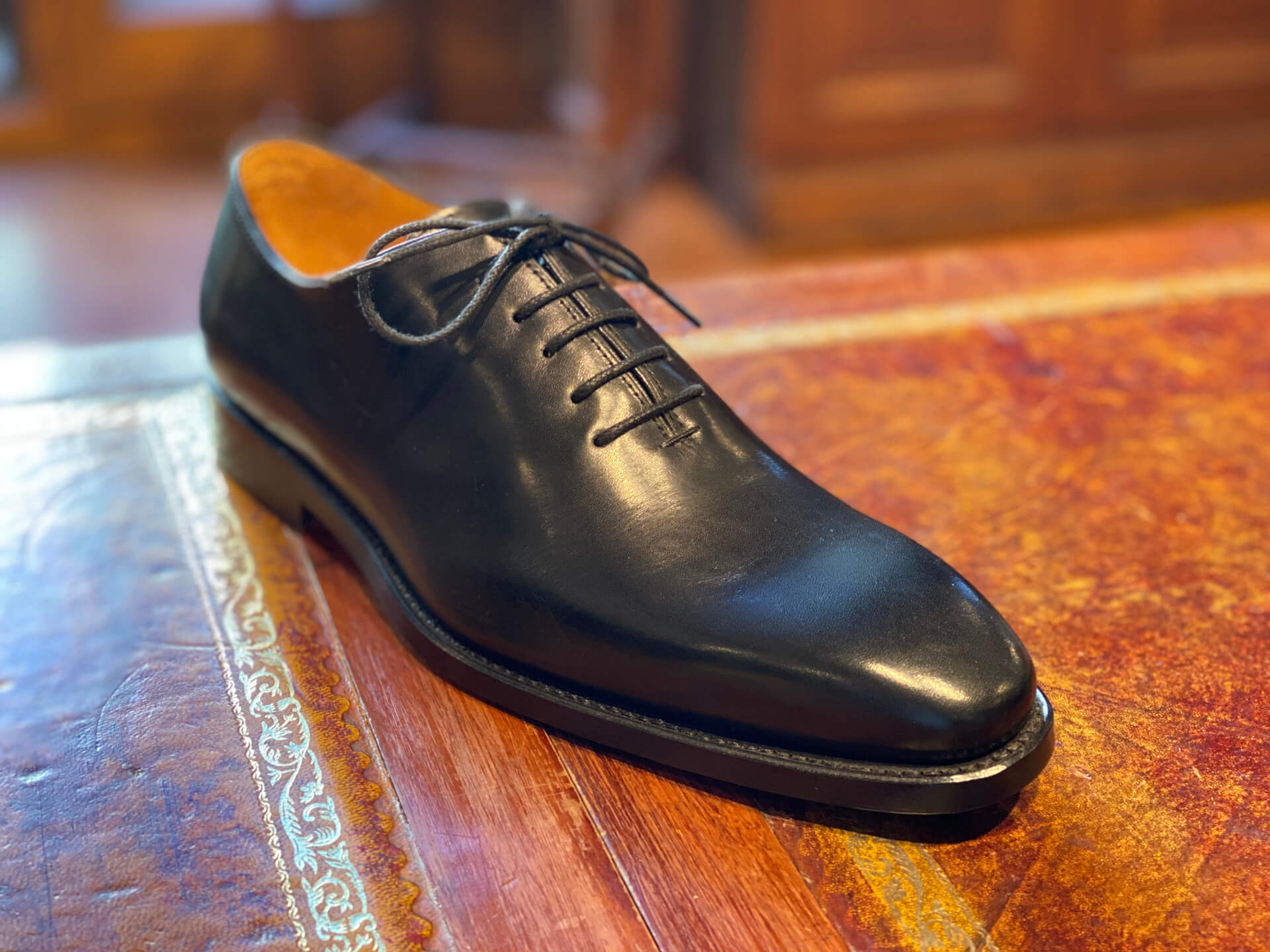
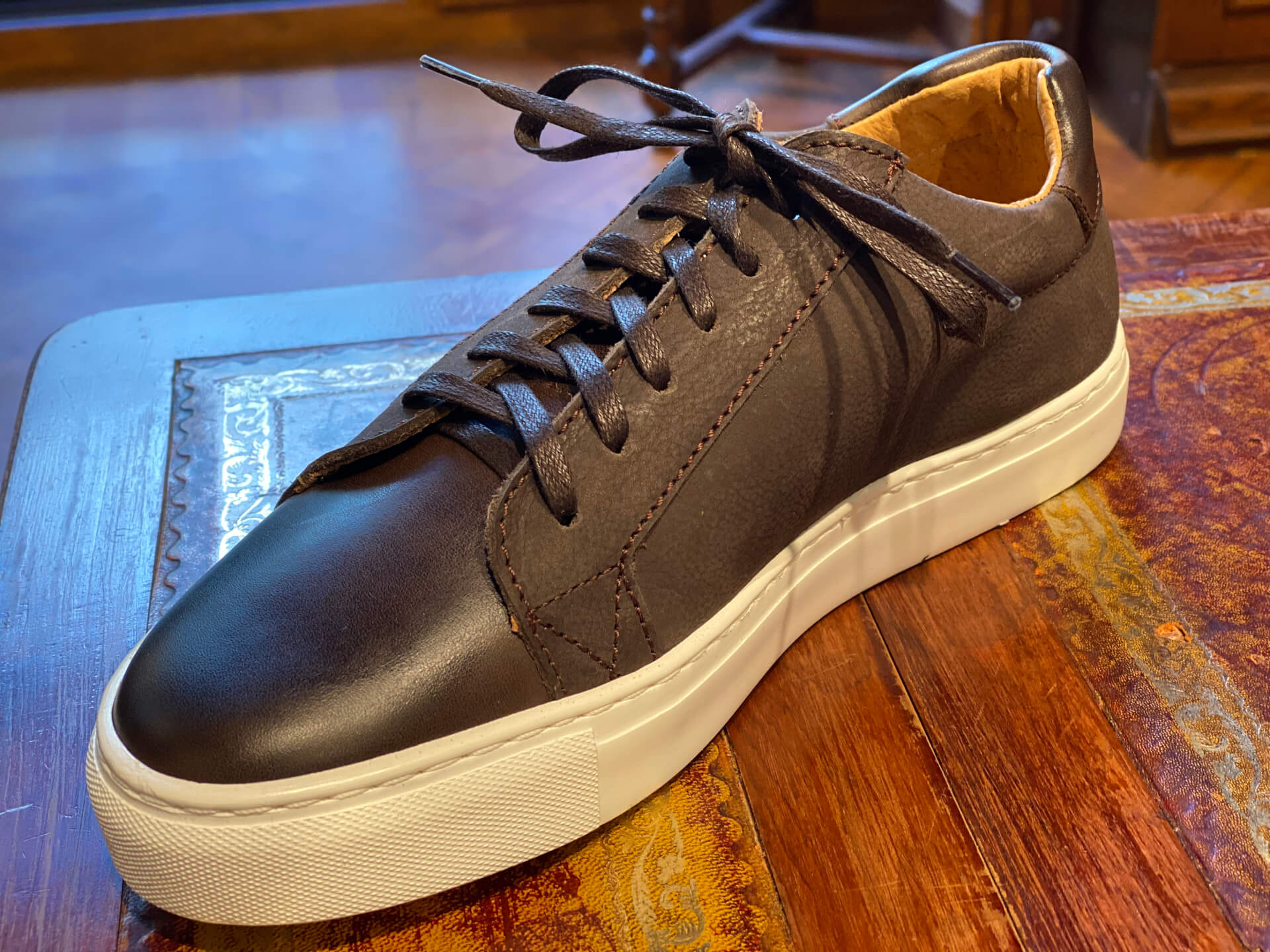
In footwear in general, there is an incredible variety of ways to thread laces through the quarters. Among the classics are two methods that are easy to distinguish, simple to do, and, most importantly, have a huge impact on the level of formality. These are Straight bar and Criss-cross.
- Straight Bar is a method of threading shoelaces into so-called bars.
- Criss-Cross is nothing more than the crosswise arrangement of shoelaces.
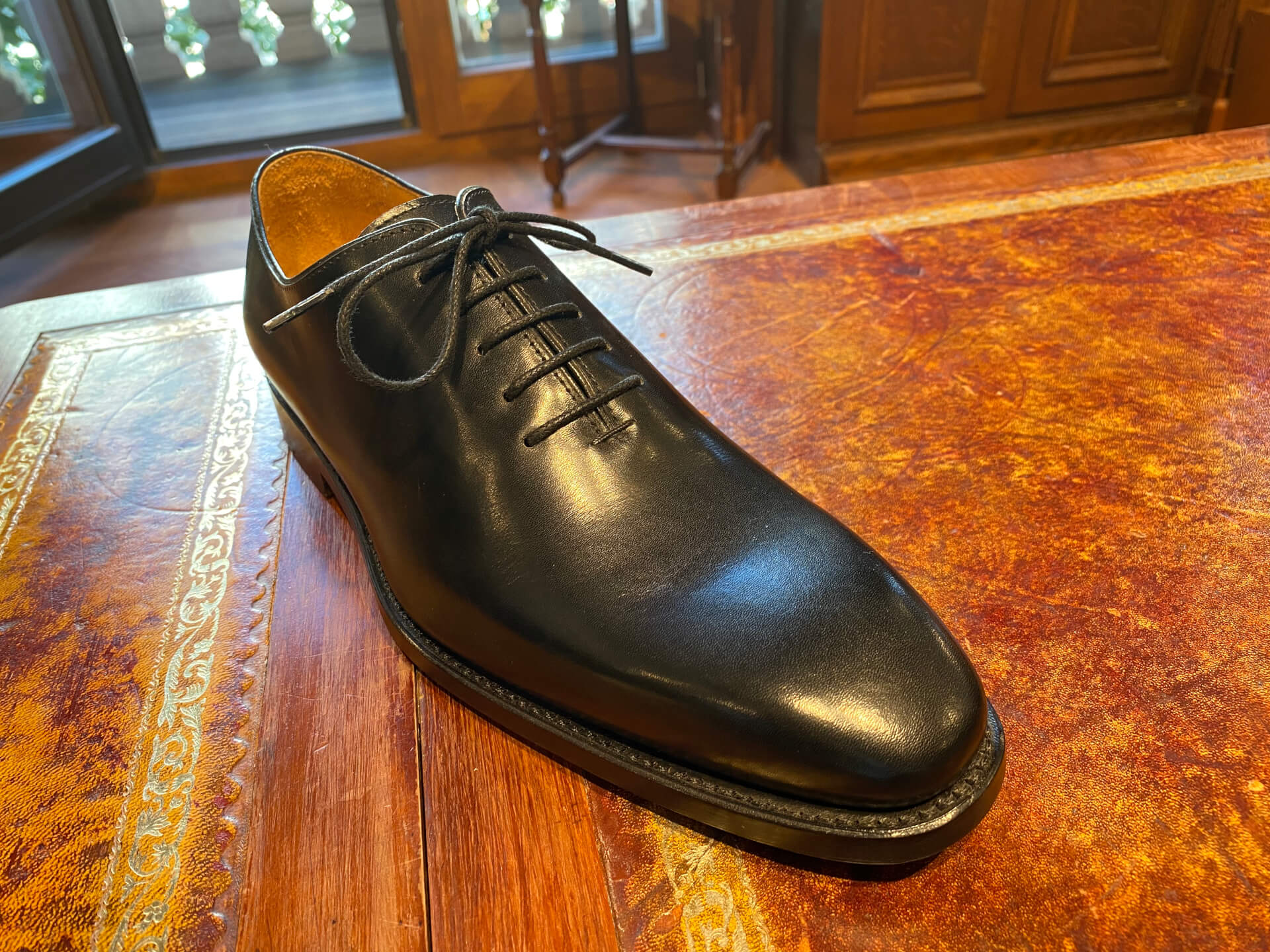
It should be strongly emphasized that Straight Bar lacing is more formal compared to Criss-Cross. When the situation requires the highest degree of formality — such as wearing a tuxedo, a tailcoat, or a suit as a groom at a wedding — there is no doubt: with black oxfords, the proper choice is the Straight Bar lacing. Choose this type of lacing, therefore, for more ceremonial occasions.
For less formal shoes, the appropriate lacing method is Criss-cross — especially in shoes with open lacing, such as sneakers.
Flat Knot, Granny Knot, Surgeon’s Knot, Turquoise Turtle Knot
How to tie shoes? Tying knots is a hands-on skill. With practice, you’ll undoubtedly reach perfection. The basic knot used for tying shoes is the flat knot, which looks like this:
- The flat knot can be secured.
- The loops in the flat knot allow you to take up the excess length of the laces so that they don’t hang down the shoe’s upper and touch the ground, where they could get dirty or worn out.
- Finally, the loops make it easy to untie the knot, so taking off the shoes is no problem at all.
When intertwining the two lace ends, remember this rule: if the leading end exits underneath, it must also enter the knot from underneath. This ensures the knot has a symmetrical structure — tied correctly and securely.
A common mistake is tying what is called the granny knot. This knot lacks a symmetrical structure, and unfortunately, whether in sailing or in footwear, its use is problematic — simply because it doesn’t work. A properly tied flat knot ensures that the bow on the shoe lies perpendicular to the shoe’s axis. The granny knot, on the other hand, causes the bow to align along the shoe’s axis — meaning poorly tied shoes can be spotted from a mile away. Elegance lies in the details, and shoelaces are no exception! Their lacing should always look perfect.
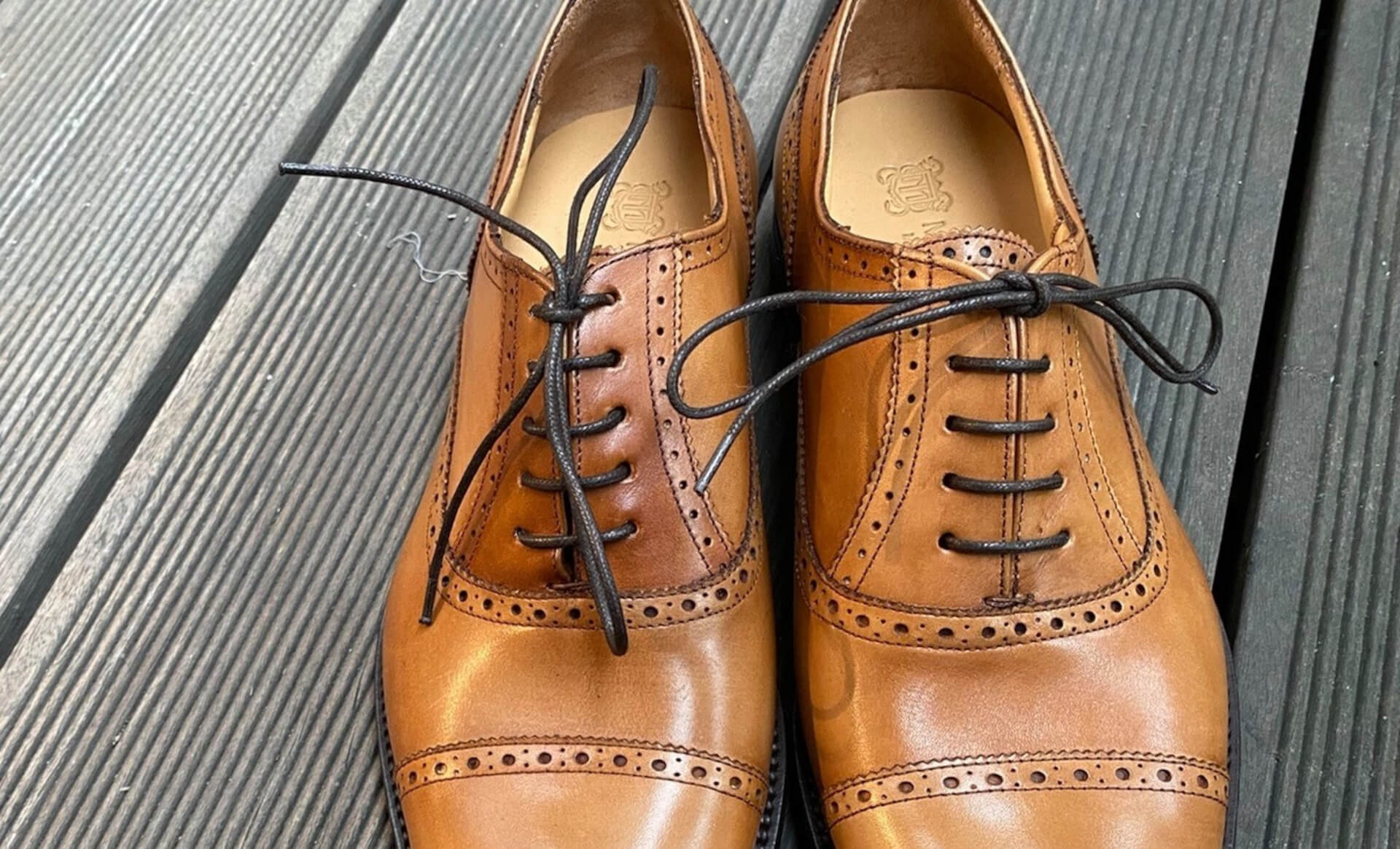
The flat knot is very effective. But if you’d like to increase reliability, you may be interested in the surgeon’s knot. It’s very easy to make: simply add one extra twist at the beginning of the knot. The rest, with the bows, looks exactly the same as with the flat knot. More twists in the laces mean greater friction, making the knot more secure and shoe lacing more effective.
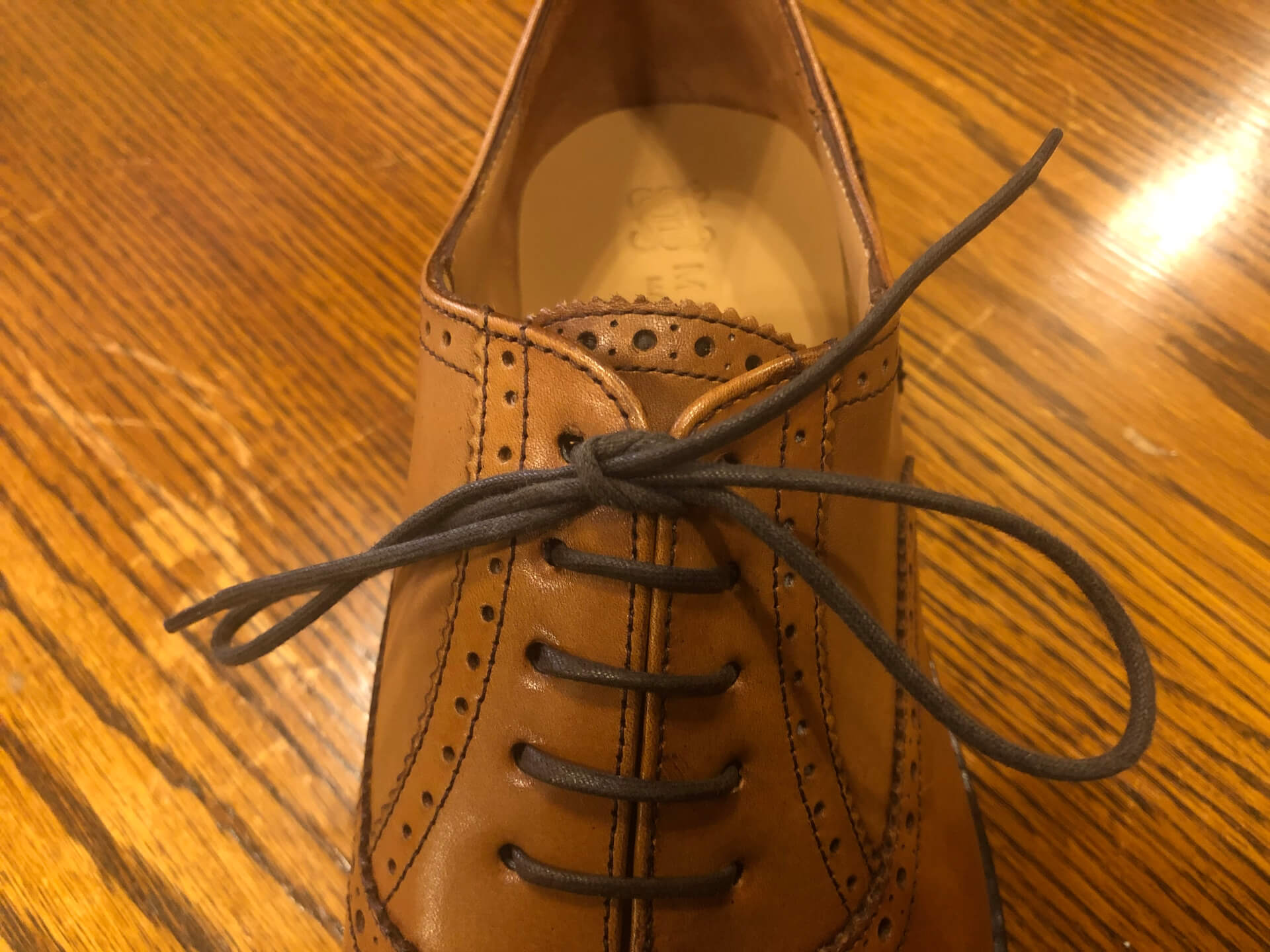
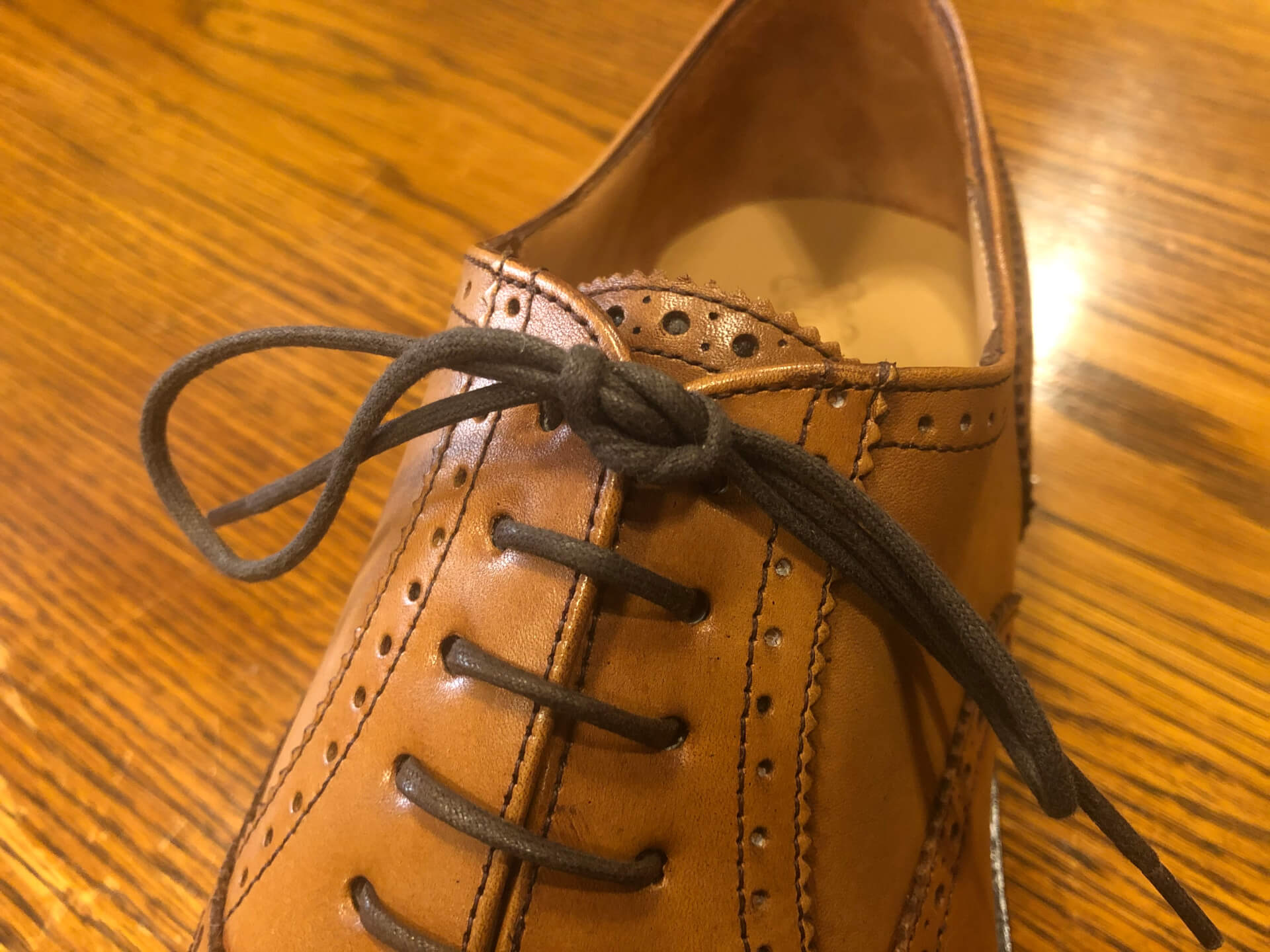
That’s not all! There is still a knot for true enthusiasts who value absolute reliability — the - Turquoise Turtle. How to tie shoes this way? It involves adding an extra twist not only at the bottom of the knot but also between the loops. This knot is very distinctive because tying it creates two additional wraps on the front of the bow. It’s easy to recognize, although in the case of boat shoes — where laces are leather straps — it is not the easiest to tie. Still, this knot holds exceptionally well! For that reason, if durability is your top priority, choose this lacing method.
Check out the footwear available in our store:
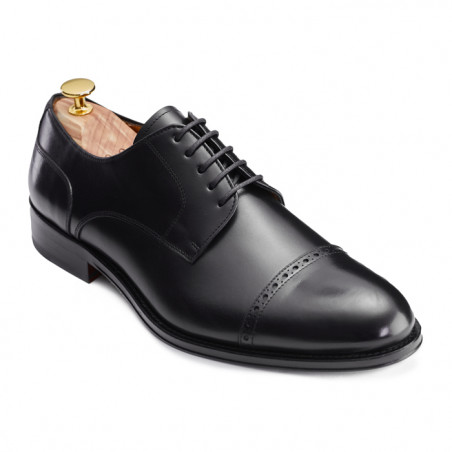
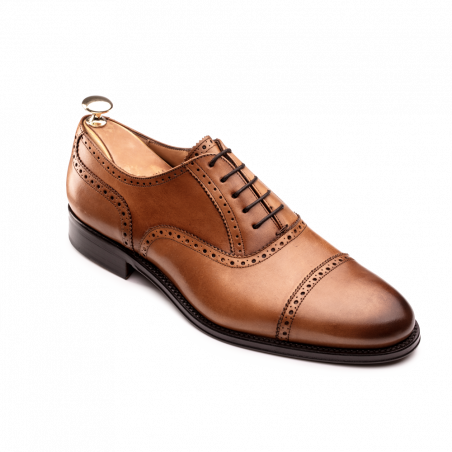
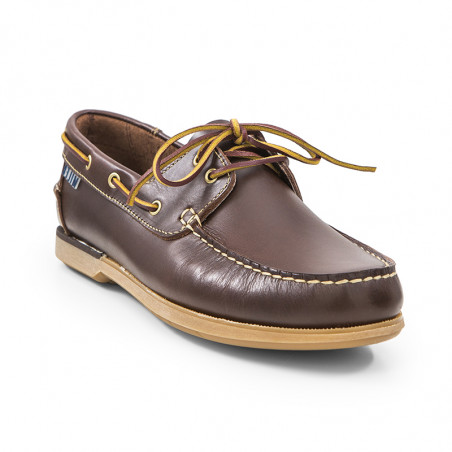
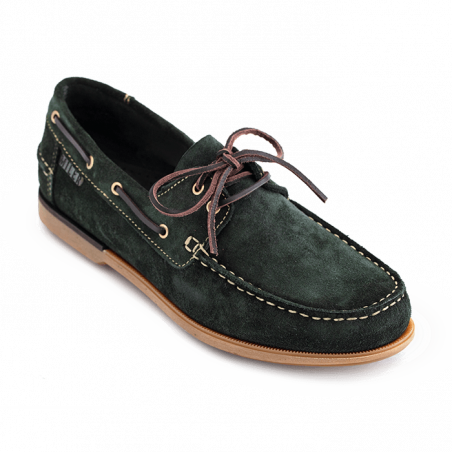
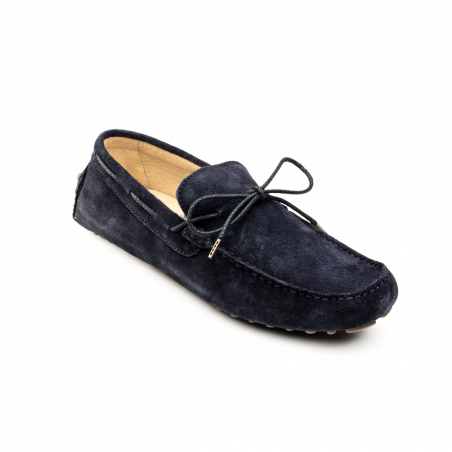
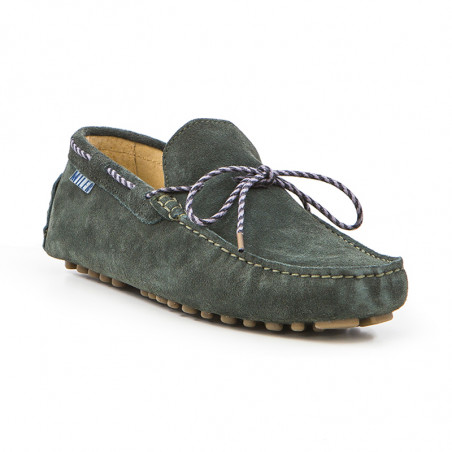
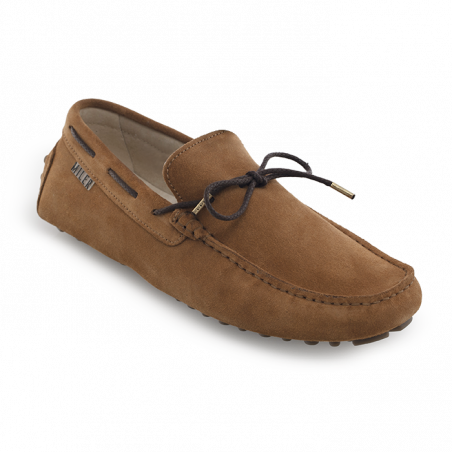
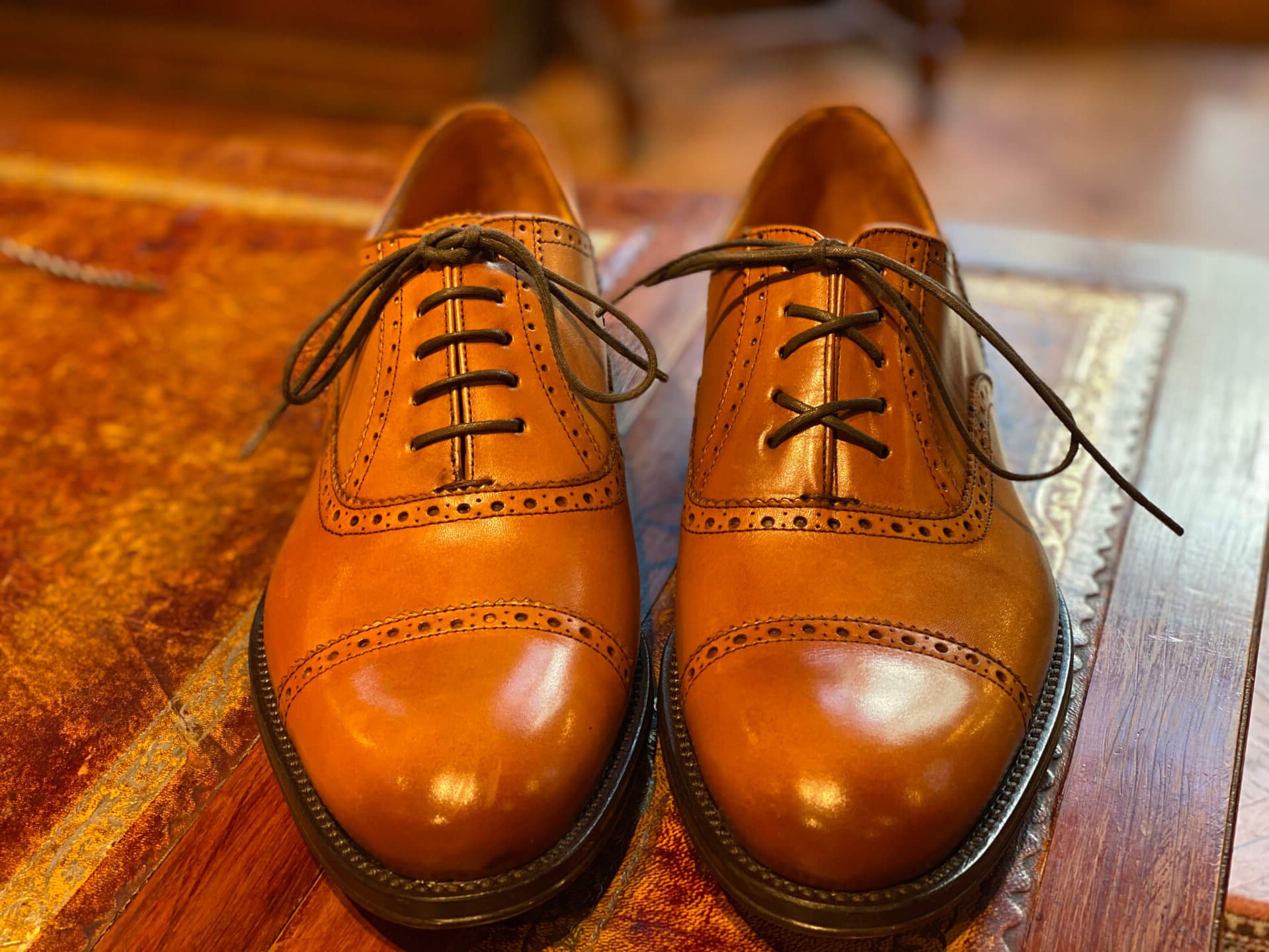
Black cap-toe Oxfords are the absolute classic of men’s formal style—a staple every stylish man should have in his wardrobe. Thanks to their relatively high level of formality, these men’s Oxford shoes are perfect for ceremonial occasions and also pair excellently with business outfits. The shoe trees visible in the photo are for presentation purposes only and are not included in the product offer. Last type: MiMe-Reg Brown cap-toe oxfords are an excellent choice for any well-dressed gentleman. These shoes make a perfect addition to a refined wardrobe, offering timeless elegance with a slightly less formal edge. Made of leather, they are ideal for polished looks that don’t require full formality. Brown oxfords pair beautifully with coordinated outfits or business attire, making them a versatile staple. Please note: the shoe trees visible in the photos are for presentation purposes only and are not included in the product offer. Last type: MiMe-Reg Light brown cap-toe Oxfords are an excellent choice for any elegant gentleman. These shoes make a perfect addition to a refined wardrobe and work especially well in elegant yet less formal outfits. Crafted from leather, they pair beautifully with coordinated ensembles or business attire, offering both style and versatility. Please note: the shoe trees shown in the photos are for presentation purposes only and are not included in the product offer. Last type: MiMe-Reg Brown monk shoes are virtually the Holy Grail for enthusiasts of classic men's elegance. Their extravagant appearance draws attention, making them a standout choice. They are an excellent match for semi-formal and casual outfits, pairing well with suits as well as chinos or jeans. The shoe trees visible in the photo are for presentation purposes only and are not included in the product offer. Last type: MiMe-Reg Black monk shoes are a true essential for lovers of classic men's elegance. They are distinguished by their charming double-buckle fastening, which adds character and a subtle sense of extravagance that naturally catches the eye. These shoes are an excellent choice for many semi-formal and informal outfits, pairing wonderfully with suits, but also with chinos or jeans. Please note: the shoe trees visible in the photos are for presentation purposes only and are not part of the product offer. Last type: MiMe-Reg Classic black derby shoes — characterized by their open lacing system — are crafted from high-quality leather. Unlike traditional Oxfords, derbies offer a more relaxed fit thanks to the open quarters, allowing for looser lacing that provides greater freedom of movement and minimizes pressure on the foot. The subtle decorative details reduce the level of formality, making them suitable for a variety of occasions. The premium leather ensures both durability and resistance to wear, while the shoes are constructed using the Blake stitching method, known for its sleek profile and flexibility. Please note: the shoe trees shown in the photos are for presentation purposes only and are not included in the product offer. Last type: MiMe-Reg Cognac brogues, with their rich color and classic brogue detailing, are a perfect match for informal ensembles. They pair wonderfully with casual suits, chinos, or even jeans, offering a refined yet relaxed look. Men's brogues are a highly versatile footwear style, crafted from premium-quality materials for lasting comfort and elegance. Please note: the shoe trees visible in the photos are for presentation purposes only and are not included in the product offer. Last type: MiMe-Reg Boat shoes (also known as deck shoes) are sailing shoes with a history spanning nearly 100 years. They were originally designed to provide sailors with better grip while working on deck. Over generations, sailors looked so elegant and stylish in boat shoes that they became a timeless element of men’s classic style. Today, they are a staple of casual footwear in the wardrobe of every style-conscious man. Boat shoes are leather loafers with rubber soles, and they look particularly charming when paired with smart-casual outfits. Boat shoes (also known as deck shoes) are sailing shoes with a history that spans nearly 100 years. They were originally designed to provide sailors with better grip while working on deck. Over time, generations of sailors wore boat shoes with such elegance and style that the footwear became a staple of classic men’s fashion. Today, they form a foundation of casual footwear in the wardrobe of every man who appreciates good style. Boat shoes are leather moccasin-style shoes with rubber soles, and they look especially charming in smart-casual combinations. The upper and lining of our green boat shoes are made from 100% genuine leather, ensuring comfort, durability, and timeless appeal. Shoes adored by Italians and Spaniards — now available in our absolutely fantastic navy blue shade. Much like boat shoes, when paired with shorts, chinos, or jeans, they make for a perfect look in summer resorts or during casual outings with friends. Driving mocs are soft leather moccasins equipped with a highly flexible sole, ideal for comfortable driving or simply for looking exceptionally stylish. The moccasin design itself dates back centuries, originally created by Indigenous peoples who wrapped their feet in a single piece of leather, skillfully stitched for comfort and durability. Shoes that Italians and Spaniards are crazy about – and in our absolute favorite color, British Racing Green, inspired by classic sports cars. Much like boat shoes, when paired with shorts, chinos, or jeans, they make a fantastic addition to summer resort outfits or casual outings with friends in the city. Driving mocs are loafers made from soft leather, featuring a highly flexible sole that allows for comfortable driving—or simply looking exceptionally stylish. Loafers themselves were invented centuries ago by Native Americans, who often wrapped their feet in a single piece of leather, skillfully stitched for function and comfort. The shoes adored by Italians and Spaniards — now in a timeless tobacco color. Much like boat shoes, they pair effortlessly with shorts, chinos, or jeans, making them the perfect choice for seaside resorts or casual outings in the city. Driving mocs are soft leather loafers with a highly flexible sole, designed for comfortable driving — or simply looking exceptionally stylish. The moccasin itself dates back centuries, originally crafted by Indigenous peoples who wrapped their feet in a single piece of stitched leather. Our tobacco driving moccasins are made from 100% leather, combining craftsmanship, comfort, and effortless summer elegance.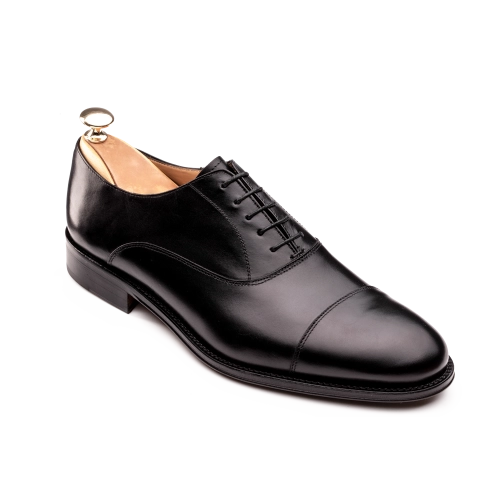
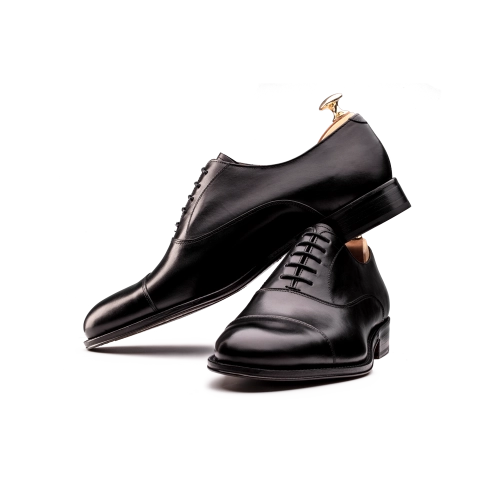
Men's black Oxford shoes by MILER
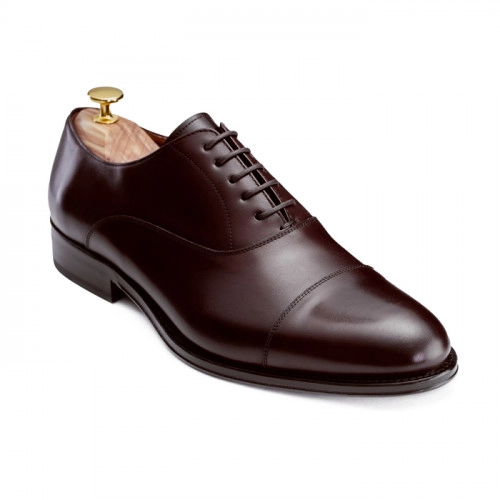
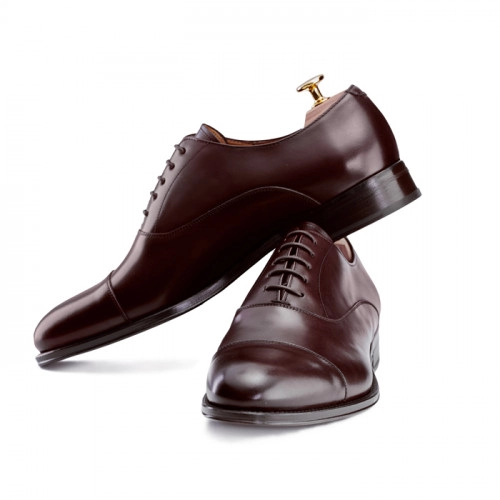
Men's brown Oxford shoes by MILER
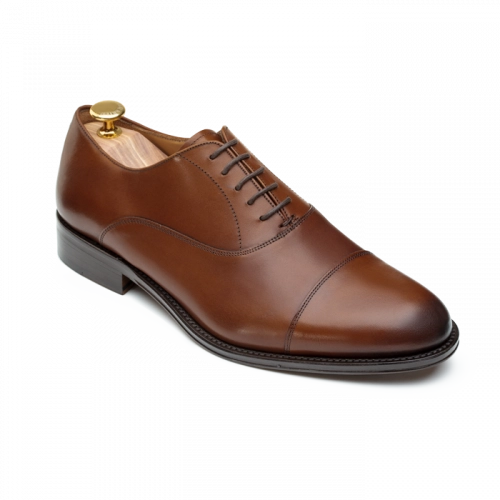
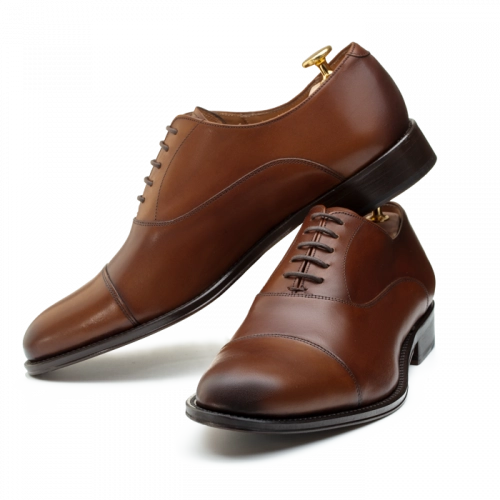
Men's light brown Oxford shoes by MILER
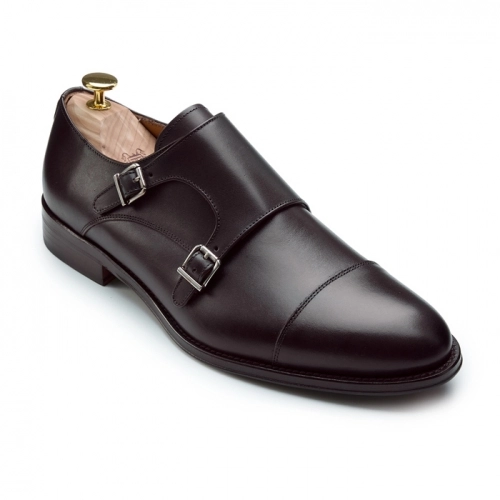
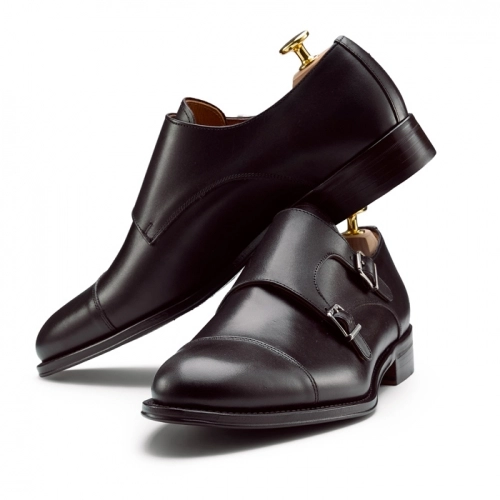
Men's brown MILER monk shoes
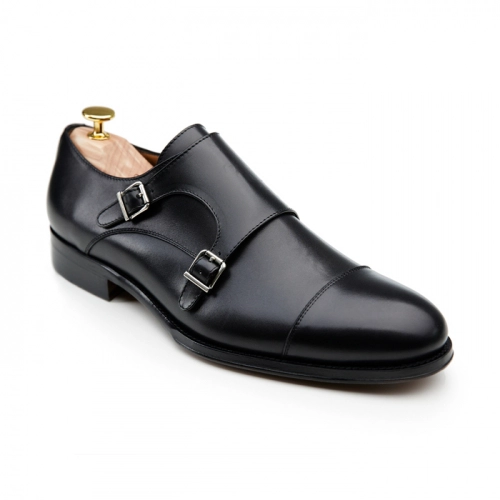
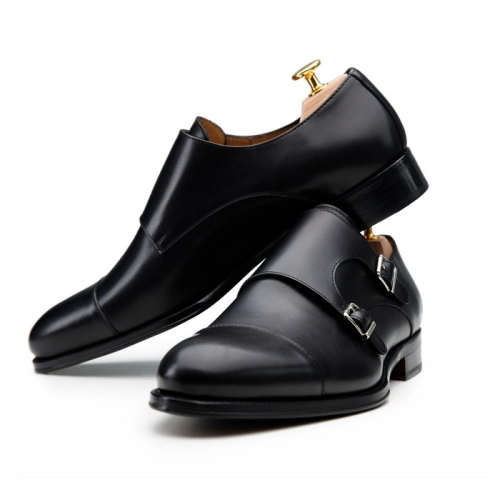
Men's black monk shoes by MILER
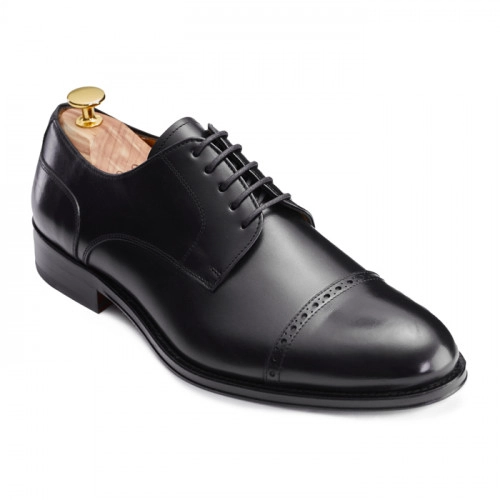
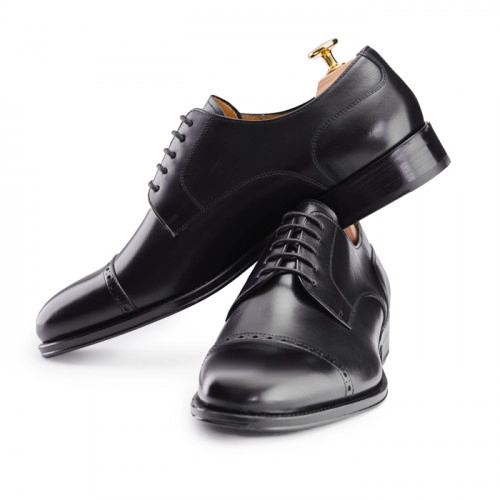
Men's black derby shoes by MILER
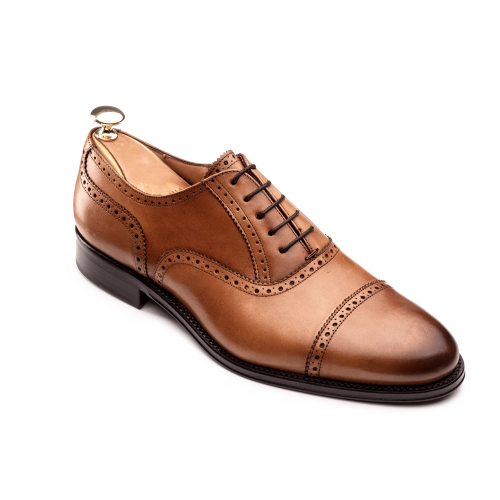
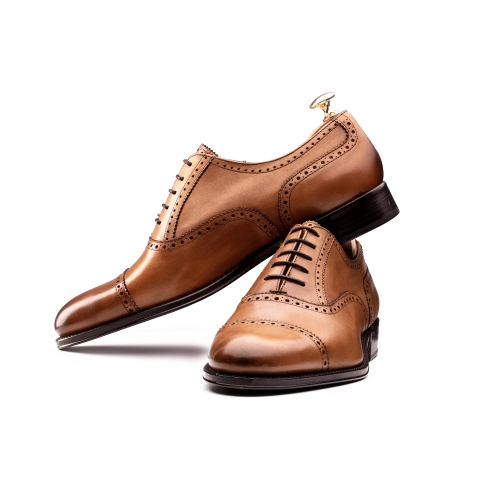
Men's cognac brogues by MILER
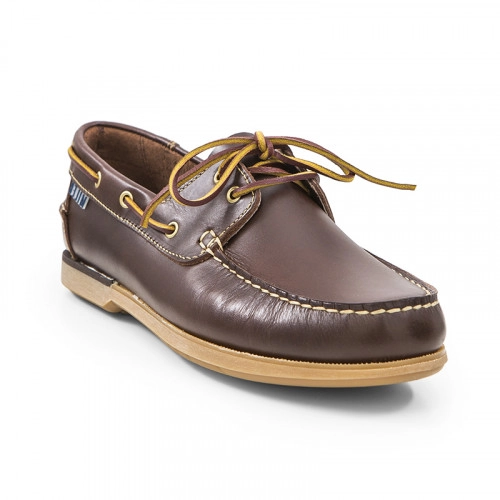
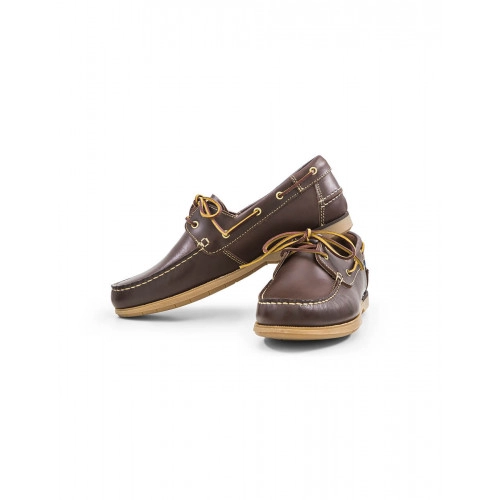
Brown boat shoes
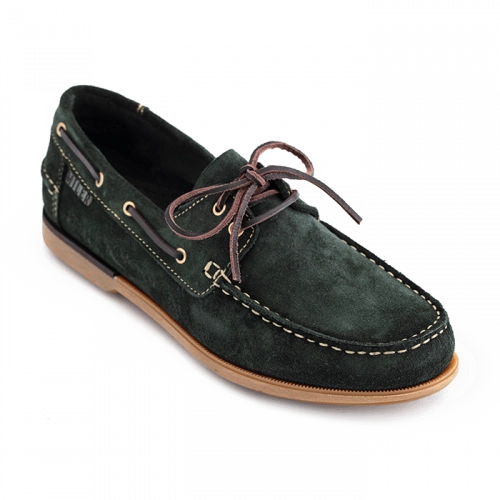
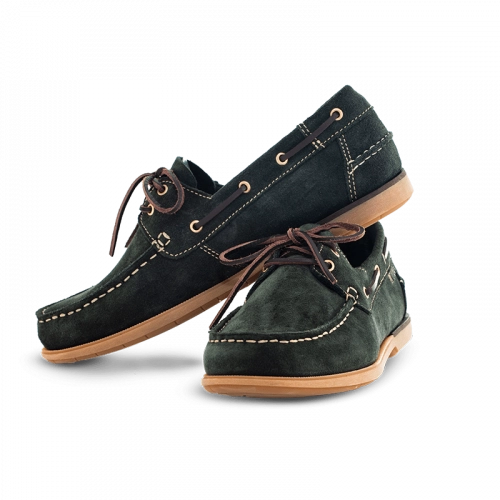
Green boat shoes
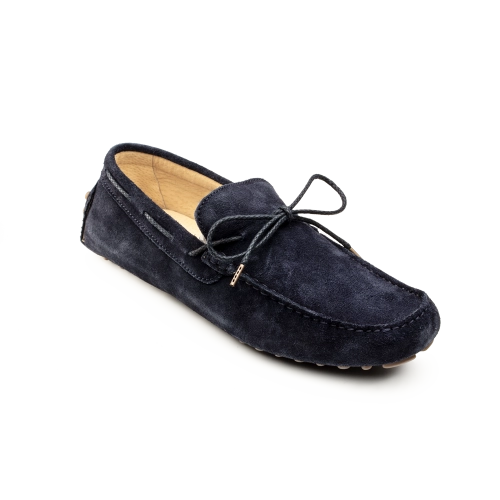
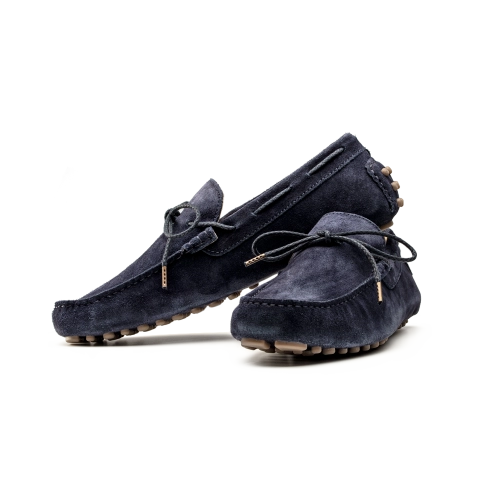
Men's navy Driving Mocs
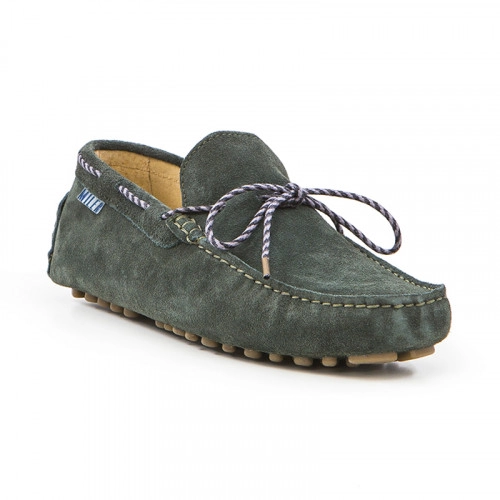
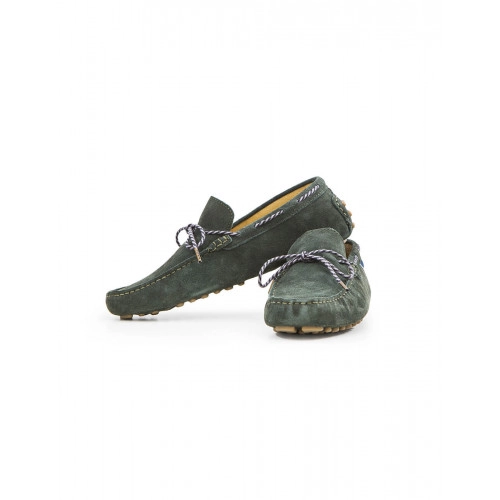
Men’s green Driving Mocs
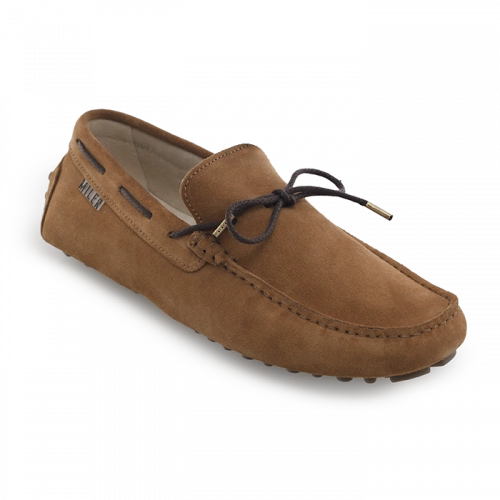
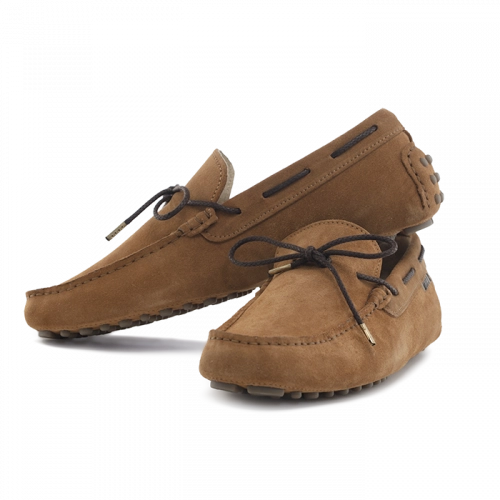
Men's tobacco Driving Mocs