

The Prince of Wales check is a distinctive and extremely popular pattern in the world of tailoring, symbolizing good taste. A suit in this famous check is a tremendous enhancement to the wardrobe of any gentleman who wishes to showcase a mature and stylish collection.

Prince of Wales Check – where does the name come from?
The Prince of Wales check has been known for a very long time, but it gained its worldwide popularity about a hundred years ago. The 1920s are considered the golden age of classic men’s elegance. Probably the most famous icon of this era was the Prince of Wales (later King Edward VIII, and after his abdication, the Duke of Windsor), who was admired for his remarkable style. He contributed to the popularization of many trends, among them a particular fondness for an extraordinary check. The Prince of Wales was often seen wearing a Scottish pattern called “Glenurquhart plaid,” also known simply as “Glen plaid.” Today, thanks to its promoter, it is best known as the Prince of Wales check.
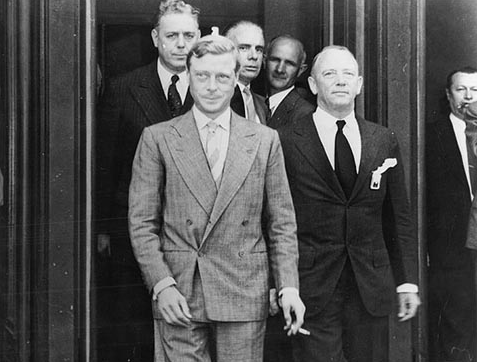
The place where the Prince’s style found the strongest admiration was the United States, where his visits were an absolute media sensation. One of the details of his attire that fascinated the world was the precision with which his suits were tailored. Bold checks are demanding patterns for tailors, as they require the alignment of the design across different parts of the garment. The horizontal lines of the check should match between the body and the sleeves, or on both sides of the back and the pant legs. At that time, such precision in craftsmanship was not commonplace, which, of course, brought even greater recognition to British tailoring.
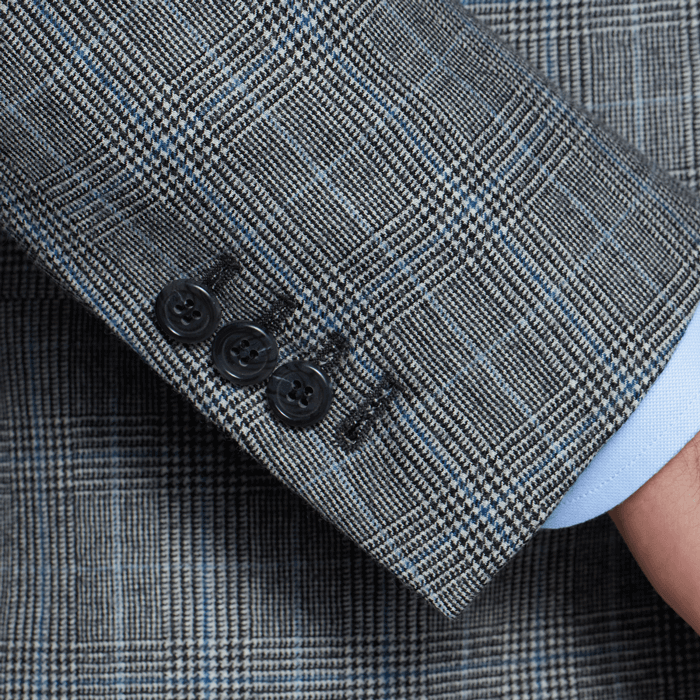
Prince of Wales Check – structure of the pattern
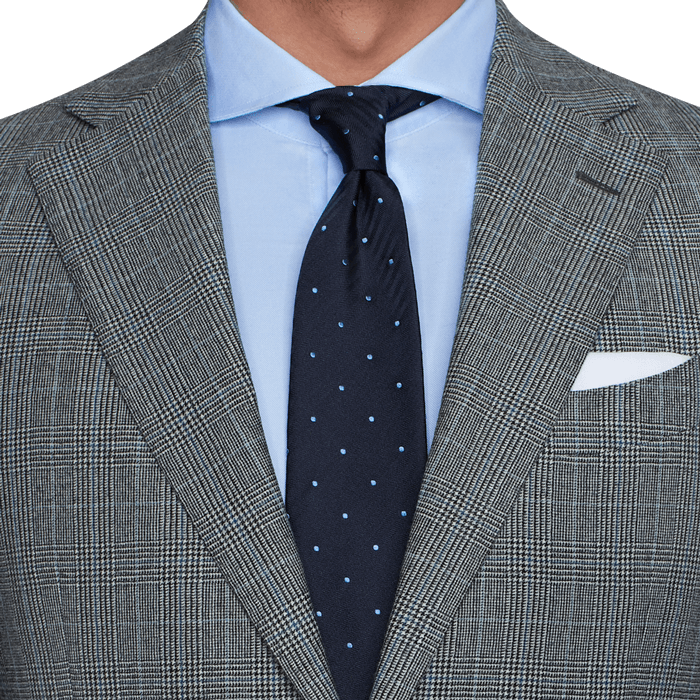
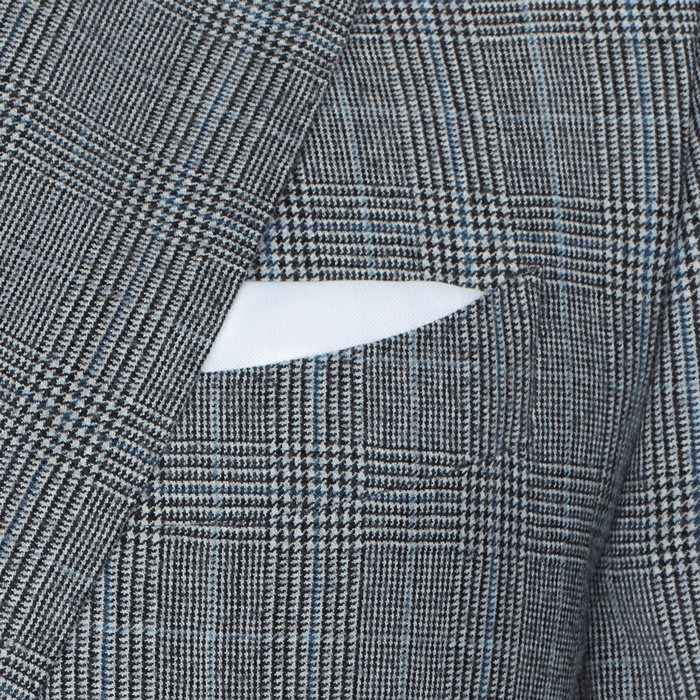
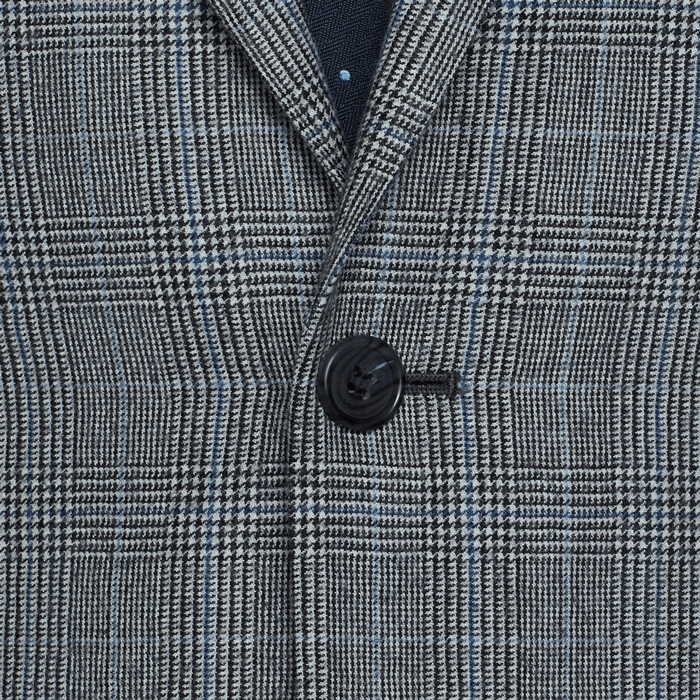
The Prince of Wales check is characterized by intersecting stripes, most often in black and white, over which an additional check (the so-called overcheck) in a windowpane style is clearly visible. In its most classic version, this overcheck is blue.
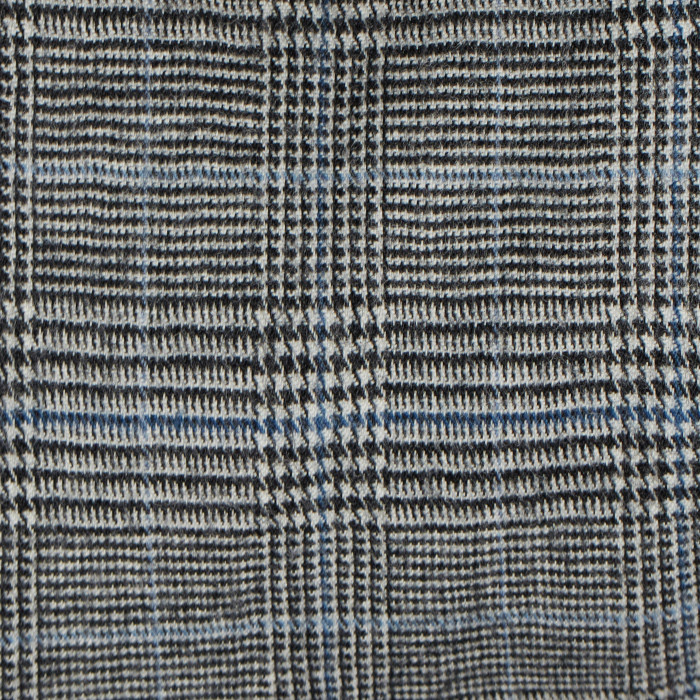
This check is characterized by subtlety, because although it is an extremely expressive and eye-catching pattern up close, from a distance it appears very discreet and is even difficult to notice. It is precisely this quality that makes it unnecessary to be an overly extravagant man in order to wear the Prince of Wales check successfully.
.JPG)
Prince of Wales check suit
In the new Miler Menswear collection, a magnificent Phoenix flannel suit in Prince of Wales check has appeared. This is an exceptionally refined garment, perfectly suited for all everyday business and formal occasions. Phoenix is a single-breasted suit with notch lapels and flap pockets, which is an absolute bestseller and a cornerstone of the Miler Menswear brand. In the currently available Prince of Wales check version, the suit is crafted from a superb British fabric woven by Alfred Brown. It is worth adding that suit fabrics originating from Great Britain—the cradle of such textiles—are a rare and noteworthy find on the market.
.JPG)
.JPG)
.JPG)
.JPG)

Other interpretations of the Prince of Wales check suit
The Prince of Wales check is not only about grey! Below we present three interpretations of the Prince of Wales check suit in other color variations:
Blue flannel Madeira suit in Prince of Wales check
.jpg)
.png)
Blue Madeira Dapper suit in Prince of Wales check
.jpg)
.png)
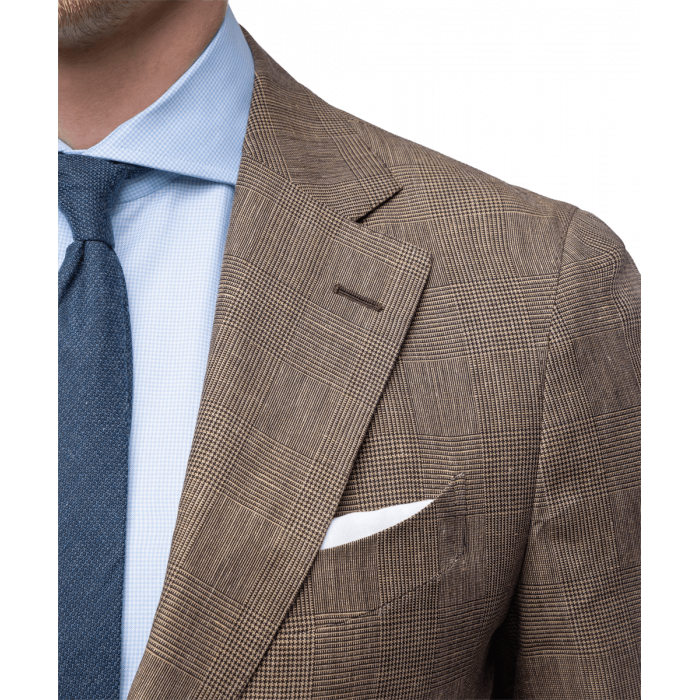
Brown linen Madeira Dapper suit in Prince of Wales check
.JPG)
Prince of Wales check vest
The Prince of Wales check is also one of the most popular patterns used in vests! Thanks to their versatility, they can be worn with or without a jacket. This beautiful and unique check pairs perfectly with jeans, wool pants, as well as chinos. They work wonderfully when creating casual outfits with chinos and an informal shirt, and just as easily fit into a groom’s formal look when paired with a navy suit.
Gray Phoenix vest in Prince of Wales check>



Gray-brown Phoenix vest in Prince of Wales check



Comments (0)